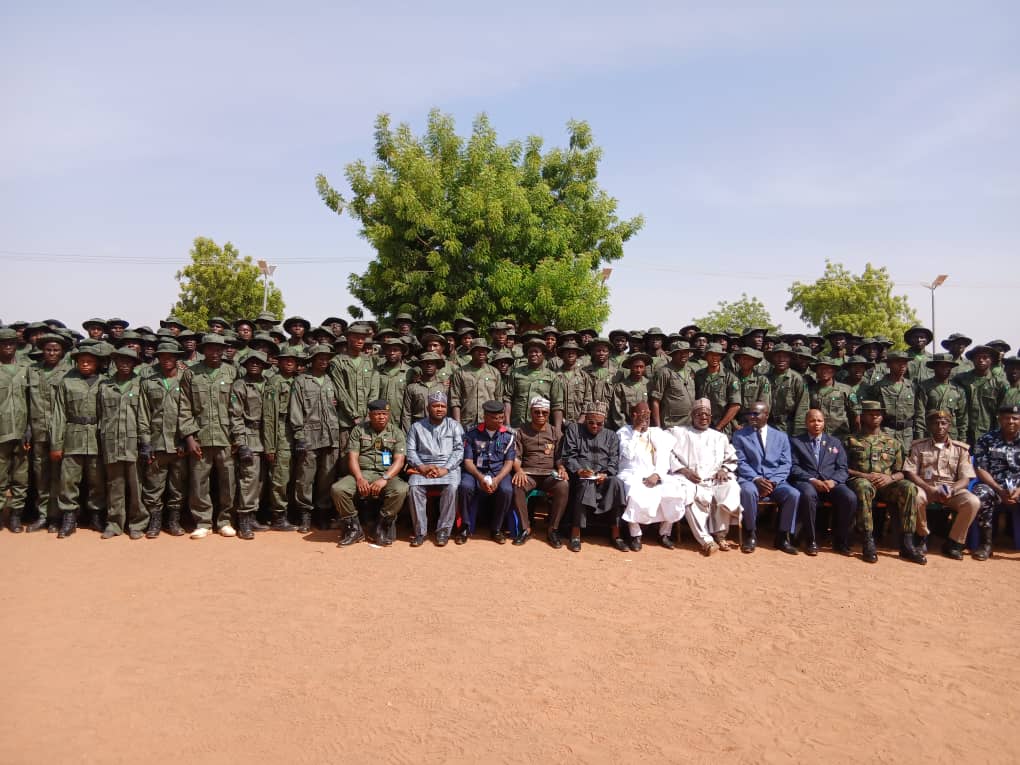
No fewer than 819 newly recruited National Forest Guards complete intensive training and are now set for immediate deployment across security-prone areas of Kebbi State, as authorities intensify efforts to deny criminals access to forest hideouts.
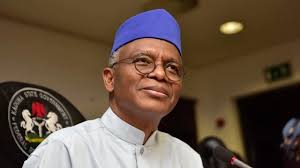
Speaking at the passing-out ceremony in Kalgo Local Government Area, Kebbi State Deputy Governor, Umar Tafida, urges Nigerians to support the forest guards with timely information and community cooperation, noting via Mediaplusng.com that intelligence sharing remains critical to tackling banditry, kidnapping, and other crimes linked to forest reserves.
The deputy governor explains that the initiative targets the growing use of ungoverned forest spaces by criminal groups and stresses that the new guards will work in close synergy with existing security agencies to restore confidence and safety in rural communities.
According to Mediaplusng.com, the 819 personnel undergo a rigorous nine-week training programme focused on early warning signals, field drills, ambush tactics, and weapon handling, including the operation of AK-47 rifles, under the supervision of the Department of State Services, the Nigeria Police Force, and the military.
Tafida calls on traditional rulers and community leaders across Kebbi State to provide full backing for the forest guards, especially in the areas of local intelligence, logistics support, and public cooperation, describing grassroots involvement as vital to the success of the security strategy.
Representing the National Security Adviser, Malam Nuhu Ribadu, Commissioner of Police Umar Hadejia says the guards will be deployed immediately to forests and other ungoverned spaces identified as security flashpoints. He explains that the deployment is part of a broader national plan to reclaim forest reserves from criminal elements.
Hadejia discloses that four local government areas in Kebbi State—Arewa, Augie, Dandi, and Danko-Wasagu—are selected for the pilot phase of the initiative out of the state’s 21 local councils. He adds that Kebbi is among seven states chosen nationwide to kick-start the programme.
He notes that the forest guards are expected to complement the operations of the military, police, and other security agencies by providing local presence, surveillance, and rapid intelligence from difficult terrains that conventional forces often find challenging to access.
Security experts say the training of forest guards reflects a growing shift toward community-based and terrain-focused security solutions, especially as bandit groups increasingly exploit forests as transit routes, camps, and arms storage locations.
Residents of affected communities express cautious optimism that the deployment will help reduce attacks, cattle rustling, and kidnappings that have disrupted farming and livelihoods in recent years.
As preparations for full deployment continue, authorities reaffirm that the success of the forest guard programme depends not only on training and equipment but also on sustained collaboration between security agencies, traditional institutions, and the general public.
With the newly trained guards set to take positions across targeted areas, many Nigerians hope the initiative will mark a turning point in the fight against insecurity and the gradual reclaiming of forest spaces from criminal control.