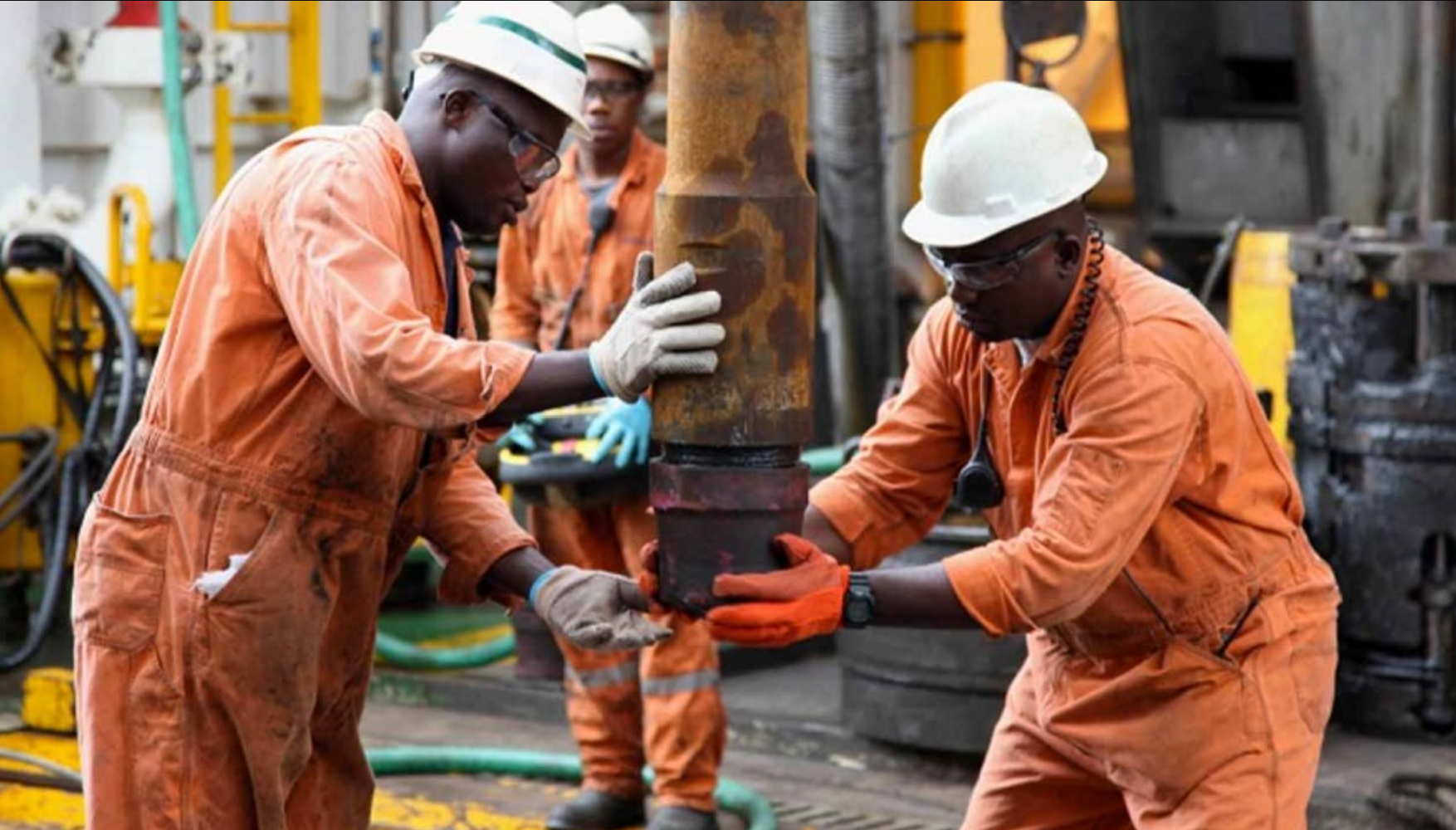
Following my interview on TVC News on the development and expectations around Nigeria’s oil and gas sector in 2026, I wish to underscore that the industry is at a consolidation point rather than a turning point driven by announcements or short-term interventions.
Nigeria’s failure to meet its OPEC production quota in 2025 highlights deep-seated structural constraints—mature producing fields, delayed investments, persistent crude losses, and budgeting practices that often overlook oil market fundamentals. Addressing these challenges requires sustained investment, institutional stability, and credible implementation of existing reforms, not simply revised targets or discretionary incentives.
Recent progress in domestic refining and gas processing demonstrates that value creation across the petroleum value chain is achievable. The sharp reduction in refined product and cooking gas imports in 2025 confirms that domestic processing strengthens energy security, conserves foreign exchange, and supports industrial development.
However, market adjustment is inevitable, and the appropriate policy response is to manage transition through competition and regulatory clarity rather than protection of legacy business models.
Natural gas remains central to Nigeria’s energy future and to any realistic energy mix. Gas-to-power represents the most practical pathway to improved electricity reliability and industrial growth, but its success depends on aligning gas pricing, infrastructure development, and power sector liquidity. Energy transition without energy access will not deliver economic inclusion or energy equity.
The recent announcement of targeted incentives for deep-offshore projects such as Bonga Southwest has generated strong reactions. While attracting investment is essential in a competitive global environment, it is equally important that such measures reinforce, rather than undermine, the rules-based framework of the Petroleum Industry Act. Investor confidence rests on policy consistency, transparency, and institutional discipline.
As Nigeria looks ahead to 2026, progress in the oil and gas sector will be determined less by policy declarations and more by governance quality, credible implementation, and alignment with economic fundamentals. Consolidation—not policy improvisation—should guide expectations for the year ahead.
Wumi Iledare, PhDFNAEE SrFUSAEE, FEIN , Professor Emeritus of Petroleum Economics and Chair OGEP Forum, Abuja