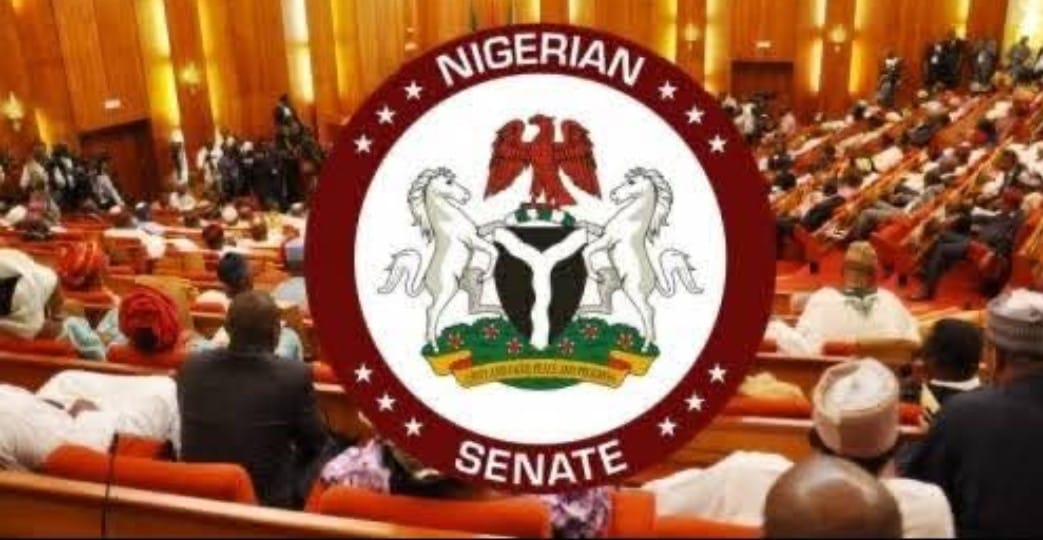
The Senate is set to reconvene for an emergency plenary sitting on Tuesday, February 10, 2026, following a directive by the President of the Senate, Godswill Akpabio. The sitting is scheduled to begin at noon at the National Assembly complex in Abuja.
According to Mediaplusng.com, the decision to reconvene lawmakers is formally communicated in a statement signed by the Clerk of the Senate, Emmanuel Odo, who urges all senators to attend the special session without exception.
The notice signals the urgency of national issues requiring immediate legislative attention, although the official agenda of the emergency plenary is yet to be made public. However, developments within the political and security landscape suggest that the Senate may deliberate on time-sensitive matters affecting governance and national stability.
Mediaplusng.com reports that emergency plenary sittings are usually convened when pressing national concerns arise during recess or outside the Senate’s regular legislative calendar. Such sessions often focus on security briefings, electoral matters, urgent executive communications, or critical national policy decisions.
Sources within the National Assembly indicate that senators are expected to suspend other engagements to ensure full participation. Attendance at emergency sittings is viewed as crucial, as resolutions taken during such sessions often shape immediate government actions and public policy direction.
The leadership of the Senate emphasizes that the emergency sitting underscores the legislature’s responsibility to respond swiftly to unfolding events and national demands. It also reflects the Senate’s oversight role in addressing matters that require prompt debate and possible legislative intervention.
While the statement from the Clerk does not disclose specific items for consideration, analysts suggest that current national discourse around security, electoral reforms, and economic measures could feature prominently during deliberations.
In recent months, the Senate has faced increasing pressure from civil society groups, political stakeholders, and citizens to act decisively on key national issues. Emergency sittings, observers say, provide lawmakers with a platform to address such concerns in real time.
The Senate President, Godswill Akpabio, is expected to preside over the session, with principal officers and committee chairmen also in attendance. Any resolutions reached may be communicated to the executive arm of government immediately after the sitting.
Legislative watchers note that outcomes from emergency plenary sessions often include motions, resolutions, or directives to relevant committees for further action. In some cases, such sittings lead to accelerated legislative processes on urgent bills.
The National Assembly complex is expected to witness heightened security and activity ahead of the session, as emergency sittings usually attract significant public and media attention.
Political analysts say the reconvening of plenary during a tight schedule highlights the Senate’s recognition of its constitutional duty to act in the national interest, regardless of timing or convenience.
Citizens and stakeholders across the country are expected to closely monitor proceedings from the emergency session, anticipating clarity on issues currently dominating public debate.
The Senate has assured Nigerians that decisions taken during the sitting will prioritize national unity, stability, and democratic governance, in line with its constitutional mandate.
Tuesday’s emergency plenary is therefore seen as a critical moment for legislative engagement, as lawmakers return to the chamber to address matters considered too urgent to wait for the next regular sitting.