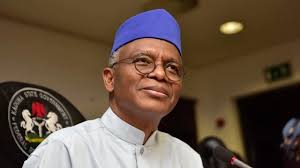

Officials of the Independent Corrupt Practices and Other Related Offences Commission (ICPC) conduct a search at the Abuja residence of former Kaduna State Governor, Nasir El-Rufai, in a development that draws national attention.
According to Mediaplusng.com, the search takes place on Thursday afternoon, with ICPC operatives reportedly arriving at the residence at about 2:00 p.m. and proceeding to examine different sections of the property.
The development is confirmed in a brief statement issued by El-Rufai’s media adviser, Muyiwa Adekeye, who states that officials of the anti-corruption agency carried out a search of the premises shortly after their arrival.
Mediaplusng.com reports that the statement also references comments from El-Rufai’s legal counsel, Ubong Akpan, who criticizes the operation and describes it as unlawful. The lawyer alleges that the action constitutes a violation of established legal procedures and fundamental rights.
While details of the search warrant or the scope of investigation are not immediately disclosed, the incident fuels public debate about ongoing anti-corruption investigations and due process in Nigeria’s political landscape.
According to Mediaplusng.com, legal observers note that searches conducted by law enforcement agencies are typically guided by court-issued warrants and procedural safeguards designed to ensure transparency and accountability.
The ICPC, as one of Nigeria’s leading anti-corruption agencies, is mandated to investigate and prosecute corruption-related offences involving public officials and institutions. Its operations often include searches, interrogations, and evidence gathering where necessary.
Political analysts suggest that high-profile investigations involving former governors and senior public office holders frequently attract intense public scrutiny, particularly regarding adherence to legal standards and constitutional protections.
Supporters of anti-corruption enforcement argue that no individual is above the law and that agencies must be allowed to carry out investigations without interference. Conversely, critics emphasize the need for strict compliance with legal procedures to protect civil liberties and prevent abuse of power.
As of the time of reporting, the ICPC has not released an official statement outlining the purpose or outcome of the search. Observers expect further clarification from the Commission regarding the nature of the investigation.
The situation continues to generate reactions across political and legal circles, with stakeholders closely monitoring developments to determine the next steps in the matter.
The incident underscores the broader national conversation on anti-corruption efforts, rule of law, and the balance between investigative authority and the protection of fundamental rights in Nigeria’s democratic system.