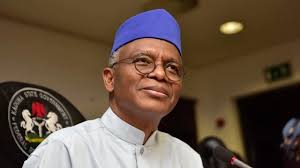

Governor Dauda Lawal of Zamfara State is actively consulting political stakeholders as uncertainty surrounds the national leadership of the Peoples Democratic Party (PDP), raising questions about his political future ahead of the 2027 governorship election.
Mediaplusng.com reports that the governor begins wide-ranging consultations across Zamfara’s fourteen local government areas amid ongoing legal disputes affecting the PDP at the national level. The move comes as party members await judicial clarity on internal leadership matters that could shape the platform’s stability before the next general election cycle.
Governor Lawal secures his mandate under the PDP during the 2023 general election in what political observers describe as a major upset. He defeats then-incumbent governor Bello Matawalle of the All Progressives Congress (APC), reshaping Zamfara’s political landscape and strengthening the PDP’s foothold in the North-West at the time.
Mediaplusng.com gathers that the governor’s current consultations are driven by persistent legal battles linked to the PDP’s national convention and leadership structure. Party loyalists are closely monitoring proceedings at the appellate level, as the outcome is expected to determine the legitimacy of the national executive and future party activities.
The governor’s spokesperson, Sulaiman Bala Idris, confirms that discussions with stakeholders are ongoing and clarifies that no final decision has been reached regarding a possible defection. According to him, the consultations are precautionary and aimed at safeguarding the governor’s political platform ahead of 2027.
Similarly, the Senior Special Assistant on Broadcast Media, Mustapha Jafaru Kaura, states that Governor Lawal continues to engage party leaders and grassroots members. He emphasizes that the governor has not formally declared any intention to leave the PDP, but remains concerned about unresolved legal matters that may affect the party’s eligibility and structure.
Mediaplusng.com understands that aides close to the governor cite uncertainty surrounding pending cases at the Court of Appeal. They argue that if the appellate court validates the PDP national convention reportedly held in Ibadan and affirms the leadership associated with Tanimu Turaki, the situation could stabilize. However, prolonged delays in judicial decisions are said to be fueling apprehension within the state chapter.
According to Kaura, the governor prefers to remain within his party but does not want to risk a scenario where unresolved legal issues could jeopardize his ability to contest in the next election cycle. He indicates that if the legal disputes are not resolved within the coming weeks, alternative political platforms may be considered as a contingency plan.
Political analysts describe the situation as a strategic calculation rather than an imminent defection. They note that Nigerian politics often witness shifts in alliances, particularly when internal party crises threaten electoral viability. For incumbents seeking re-election, maintaining a stable and recognized platform is considered essential.
Sources within the Zamfara PDP confirm that Governor Lawal meets with stakeholders across local government areas to brief them on developments. He reportedly encourages them to consult widely and provide feedback before any major political decision is taken. The consultations are portrayed as inclusive and participatory, reflecting the governor’s attempt to carry party members along.
Although speculation links the governor to the APC, aides insist that no direct move toward the ruling party has been announced. They point out that other parties—including the African Democratic Congress (ADC), Labour Party, and Social Democratic Party (SDP)—remain possible alternatives should circumstances demand.
Observers highlight that Governor Lawal is one of only three PDP governors currently in office nationwide and the only one among them widely expected to seek re-election in 2027. This reality adds strategic weight to his decision-making process, as the stability of his party at the national level directly affects his political calculations.
The ongoing PDP leadership crisis has broader implications for opposition politics in Nigeria. Legal disputes over conventions, executive committees, and party recognition often influence candidate nominations, campaign funding, and voter confidence. As such, clarity from the judiciary is seen as crucial not only for Zamfara but for the PDP’s national outlook.
For now, Governor Lawal maintains a cautious stance, emphasizing consultation and due process. His aides reiterate that he remains committed to delivering governance in Zamfara while monitoring legal developments that may shape the political terrain ahead of 2027.
As the Court of Appeal deliberates on pending matters, political stakeholders in Zamfara and beyond watch closely. The eventual resolution of the PDP’s internal crisis is expected to determine whether Governor Lawal retains his current platform or charts a new political course in preparation for the next electoral contest.