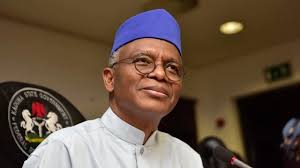

Governor Dauda Lawal of Zamfara State is reportedly leaving the Peoples Democratic Party, PDP, and aligning with the All Progressives Congress, APC, in what could become a major political development in Nigeria’s evolving party landscape.
According to Mediaplusng.com, the reported defection comes amid ongoing leadership disputes within the Peoples Democratic Party at the national level, which have created uncertainty for several party stakeholders across the country.
Political observers say the situation within the PDP has intensified following a recent judgement delivered by the Court of Appeal concerning the party’s national convention.
The appellate court upholds an earlier decision of a High Court that bars the Independent National Electoral Commission, INEC, from validating the PDP national convention held in Ibadan.
The ruling is widely seen as another setback for the party’s internal leadership structure and has reportedly influenced the political calculations of several party leaders.
According to Mediaplusng.com, sources close to the Zamfara State Government House in Gusau say Governor Lawal has formally resigned from the Peoples Democratic Party and is preparing to continue his political career under the platform of the All Progressives Congress.
While the governor has not yet made a formal public announcement confirming the move, political discussions surrounding the reported defection continue to gain attention across the state and beyond.
Earlier reports indicate that Governor Lawal had been carefully evaluating his political options due to the prolonged leadership crisis affecting the PDP.
Analysts say the uncertainty surrounding the party’s national structure may have contributed to the governor’s decision to reconsider his political affiliation.
The Court of Appeal judgement is believed to have played a significant role in shaping the timing of the reported political move.
Observers note that legal disputes over party conventions and leadership structures often influence political realignments within Nigeria’s political environment.
According to Mediaplusng.com, sources within the Zamfara political circle say consultations among key political figures and stakeholders had been ongoing before the decision was reportedly reached.
Political insiders suggest that discussions regarding the governor’s future political direction had intensified in recent weeks as developments within the PDP unfolded.
Meanwhile, attention is also focusing on recent developments involving the Deputy Governor of Zamfara State, Mani Mumuni.
A video circulating online reportedly shows the deputy governor addressing a gathering of party stakeholders while chanting the slogan of the All Progressives Congress.
The video has further fueled speculation that key members of the state’s political leadership may be aligning with the ruling party at the national level.
Although the governor has yet to publicly confirm the reported defection, analysts say the development could have significant implications for the political balance within Zamfara State.
Political defections are not uncommon in Nigeria’s political system, especially as political actors seek platforms they believe will strengthen their chances of achieving their policy objectives or securing political stability.
Observers say the evolving situation in Zamfara highlights the dynamic nature of Nigeria’s party politics, where alliances and affiliations can shift in response to legal rulings, leadership disputes, and strategic calculations.
According to Mediaplusng.com, political analysts believe that if confirmed, Governor Lawal’s move could influence political alignments ahead of future elections and potentially reshape party structures within the state.
Zamfara State has historically played an important role in Nigeria’s political landscape, particularly in the North-West region where party dynamics often attract national attention.
Residents and political stakeholders across the state are now closely watching developments as they await an official statement from Governor Lawal regarding the reported defection.
For many observers, the key question remains how the reported move could affect governance, political relationships, and party organisation within the state.
Some political commentators say such transitions often involve negotiations and consultations aimed at ensuring continuity in governance and stability within state institutions.
Others believe that the situation reflects broader political trends where leaders reconsider their affiliations based on emerging political realities.
As discussions continue, stakeholders emphasize the importance of peaceful political engagement and respect for democratic processes.
Meanwhile, both supporters and critics of the reported move are awaiting clarity from the governor himself, whose official position will ultimately determine the next chapter of Zamfara’s political story.
Until then, the reported defection remains one of the most talked-about political developments in the state, drawing interest from political observers, party supporters, and residents eager to understand its potential impact on the future of Zamfara politics.