
Nigeria’s education sector records a major milestone as innovation and reform efforts gain national recognition at a prestigious awards event celebrating excellence in public service.
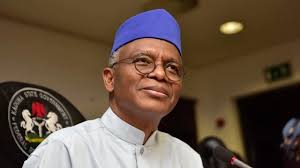
According to Mediaplusng.com, the Honourable Minister of Education, Maruf Tunji Alausa, receives the “Most Innovative Cabinet Minister of the Year 2025” award at the Silver Jubilee Awards organized by Independent Newspapers Limited in Lagos.
The recognition follows a competitive selection process involving cabinet members across multiple sectors, highlighting outstanding leadership, innovation, and measurable impact in governance.
Organizers explain that the selection process combines nationwide public voting, independent jury evaluation, and editorial board review to ensure transparency and credibility.
The Federal Ministry of Education expresses appreciation to the organizers, judges, and Nigerians whose participation contributes to the outcome of the award process.
The recognition comes at a pivotal time as Nigeria implements wide-ranging reforms under the Nigeria Education Sector Renewal Initiative, widely known as NESRI.
The reform agenda focuses on expanding access to education, improving quality, strengthening equity, and aligning the education system with national development goals.
One of the key highlights of the reform is the revitalization of Technical and Vocational Education and Training, known as TVET.
Under this initiative, technical colleges and skills centres emphasize practical learning, equipping students with hands-on competencies that enhance employability and entrepreneurship.
Education experts note that strengthening skills development plays a crucial role in boosting economic productivity and addressing unemployment challenges.
The Ministry also expands investment in Science, Technology, Engineering, Mathematics, and Medical Sciences, collectively referred to as STEMM education.
Major intervention programs include the rehabilitation of medical schools and engineering faculties across federal universities of technology in Nigeria’s six geopolitical zones.
These projects upgrade laboratories, hostels, and training facilities, improving the learning environment for students in critical professional fields.
Officials say these efforts also contribute to addressing the challenge of brain drain by strengthening local training capacity for healthcare professionals and engineers.
In addition, innovation-driven initiatives such as the Student Venture Capital Grant provide support for student-led ideas, helping transform them into scalable businesses.
Another initiative, Diaspora Bridge, connects Nigerian professionals abroad with local universities, encouraging knowledge exchange and collaboration.
These programs aim to expand opportunities for students while fostering research, innovation, and technological advancement.
Efforts to reduce the number of out-of-school children also intensify through targeted national strategies and inclusive education programs.
Authorities report that more children, particularly in underserved communities, are being integrated into formal learning systems.
Girls’ education remains a central focus, with expanded access to scholarships, mentorship programs, and safer learning environments.
These interventions help improve retention rates and ensure more girls complete their education successfully.
Digital transformation is another cornerstone of the reform agenda.
The introduction of the Nigerian Education Data Infrastructure enhances real-time tracking of students, teachers, schools, and facilities.
This system improves planning, transparency, and accountability within the education sector.
At the same time, the expansion of e-learning platforms increases access to quality education beyond traditional classrooms.
Teachers remain at the heart of these reforms, with continuous investment in training, welfare, and modern teaching tools.
Infrastructure upgrades across schools further support improved teaching and learning conditions nationwide.
The Ministry highlights the importance of partnerships with state governments, development agencies, international organizations, and the private sector.
These collaborations help mobilize resources, expand program reach, and deepen the impact of reforms.
Speaking on the award, the Minister expresses gratitude to Nigerians and stakeholders while reaffirming commitment to sustained transformation.
He emphasizes that the recognition reflects collective efforts to reposition education and serves as motivation to continue reforms.
Officials reiterate that the ongoing transformation aligns with national development priorities and aims to build a resilient, skills-driven education system.
In conclusion, the award underscores the growing impact of education reforms in Nigeria, as innovation, collaboration, and strategic investment continue to shape the future of learning and human capital development.