The Independent National Electoral Commission, INEC, says artificial intelligence will play a role in the verification process for the 2027 general elections.
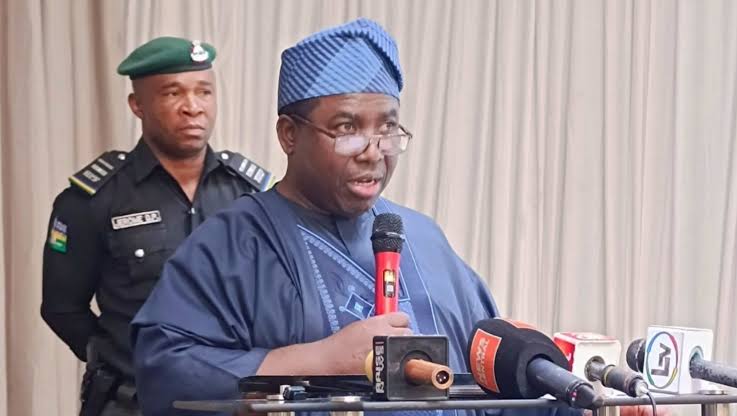
INEC Chairman, Professor Joash Amupitan, makes the disclosure during deliberations at the 2027 General Election World Press Conference and National Stakeholders’ Meeting in Abuja.
The move forms part of the commission’s broader efforts to strengthen electoral technology, improve the verification of election information and enhance public confidence in the electoral process.
Mediaplusng.com reports that Amupitan also highlights the distribution of registered voters across the country ahead of the 2027 elections.
Lagos State currently ranks first among the top 10 states by number of registered voters, with 7,488,633 registered voters. Kano follows with 6,570,276, while Kaduna ranks third with 4,662,640 registered voters.
Other states among the top 10 include Rivers, Katsina, Oyo, Anambra, Delta and Borno, while Bauchi State rounds off the list with 3,012,547 registered voters.
The figures highlight the significant voter population that INEC will have to manage as preparations intensify for the 2027 general elections.
The INEC chairman also addresses concerns surrounding the welfare and remuneration of electoral personnel.
Amupitan says INEC staff are among the least-paid workers in the country and argues that better remuneration is necessary if the commission is to demand greater accountability and professionalism from its workforce.
He says the commission has therefore moved away from the conventional civil service salary structure and is working with a separate salary structure for INEC personnel.
Meanwhile, the Nigeria Police Force says it is working around the clock to protect citizens and maintain law and order before, during and after the 2027 elections.
The police are expected to play a central role in securing polling units, electoral personnel, voters and election materials across the country.
As preparations continue, INEC says the combination of technology, trained personnel, improved remuneration and stronger security coordination will be critical to delivering a credible electoral process.
The commission is also expected to continue engaging political parties, civil society organisations, the media, security agencies and other stakeholders as the country moves closer to the 2027 general elections.