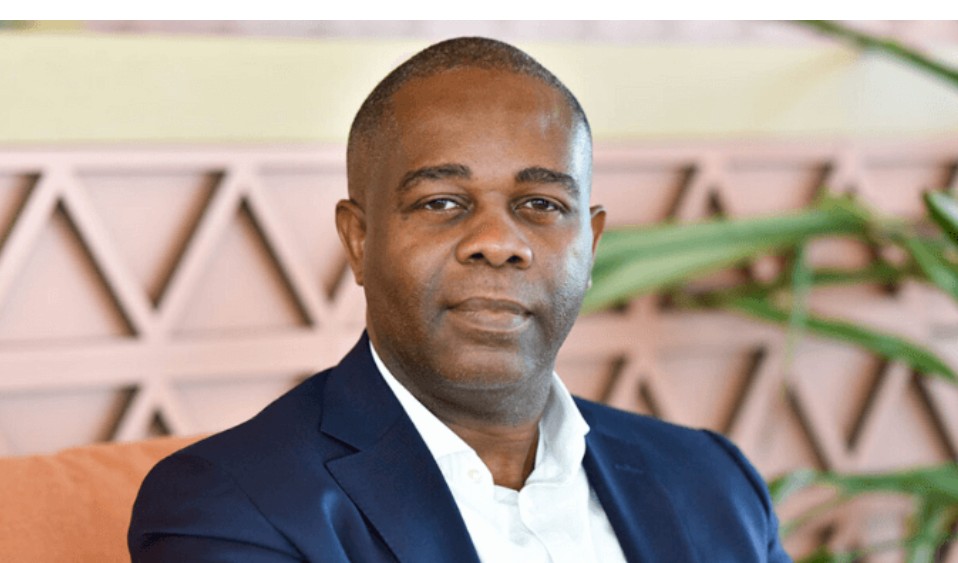
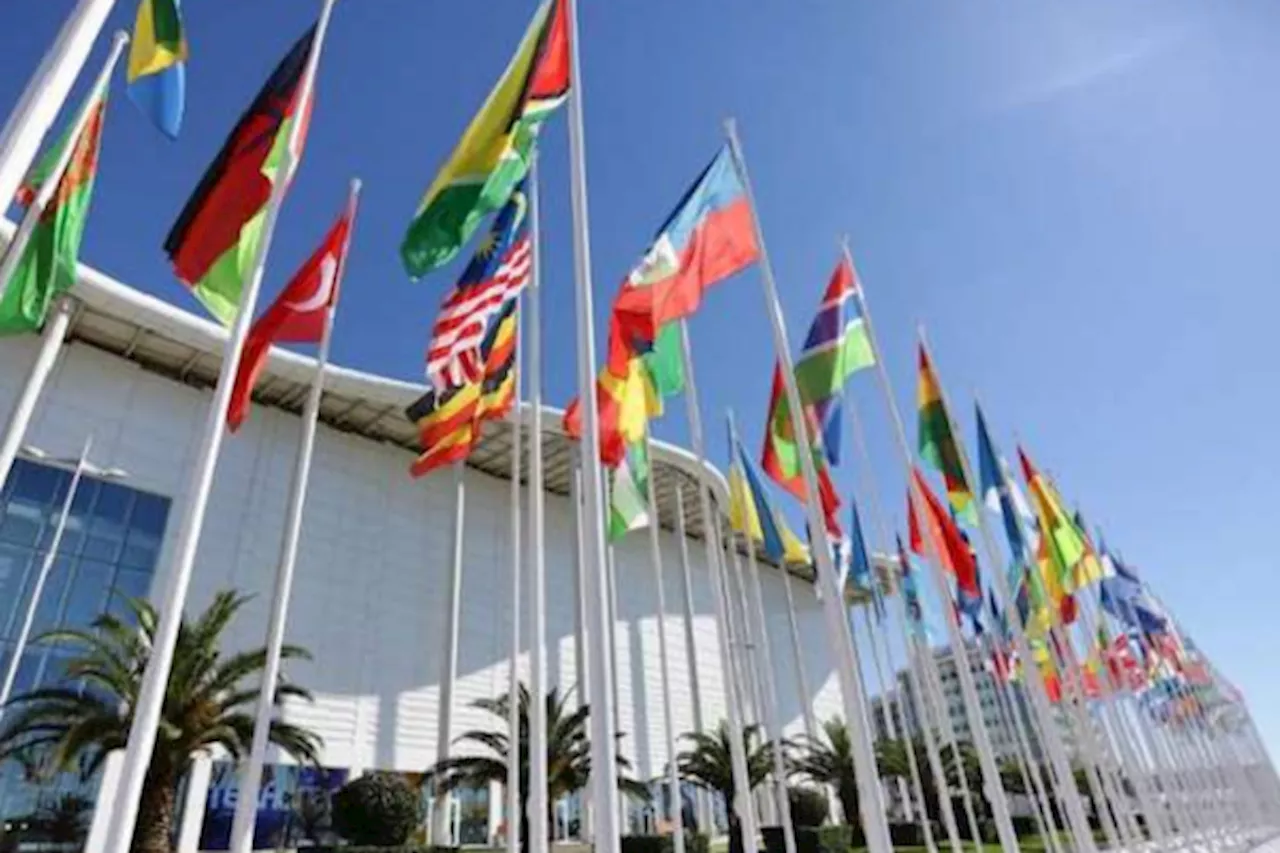
Nigeria is represented by its Minister of State for Foreign Affairs, Sola Enikanolaiye, at the ongoing Russia-Africa summit in Moscow, rather than by President Bola Ahmed Tinubu, Vice President Kashim Shettima or the substantive Foreign Affairs Minister.
The two-day summit, which began on Wednesday, brings together African leaders and government representatives to discuss relations with Russia, as President Vladimir Putin seeks to strengthen Moscow’s political, economic and strategic influence across the continent.
Several African countries are represented by senior officials, including presidents, vice presidents, prime ministers and other heads of government. Countries mentioned among those represented at the highest levels include Egypt, Kenya, Rwanda, the Democratic Republic of the Congo, Ghana, Mali and Ethiopia.
Nigeria, however, has sent a delegation led by Enikanolaiye, who reportedly departed for Russia with other government officials on the eve of the summit.
The composition of Nigeria’s delegation comes amid questions about the level of representation the country has chosen for an international meeting focused on Africa-Russia relations.
Since assuming office, President Tinubu has delegated several major international engagements to Vice President Shettima. The president has also been represented by his deputy at United Nations General Assembly meetings during his tenure.
Such decisions have been linked in public discussions to the administration’s domestic priorities, including economic challenges and national security concerns.
However, despite Shettima being available in Nigeria, he was not selected to lead the delegation to Moscow.
The Minister of Foreign Affairs, Bianca Odumegwu-Ojukwu, is also absent from the summit, leaving the Minister of State for Foreign Affairs to represent the country.
The summit provides an opportunity for participating governments to discuss trade, investment, energy, security, technology and other areas of cooperation with Russia.
For Nigeria, participation offers a diplomatic platform to engage Moscow and other African governments on issues affecting the continent.
Nevertheless, the level of representation may prompt questions about the administration’s priorities for Russia-Africa relations and the diplomatic weight Nigeria intends to attach to the meeting.
While the rank of a delegation leader does not, on its own, determine the outcome of diplomatic engagement, the presence of senior national leaders can signal the importance a government attaches to a particular gathering.
As the summit continues, attention will remain on the discussions and any agreements that could shape Russia’s relations with African countries, including Nigeria.