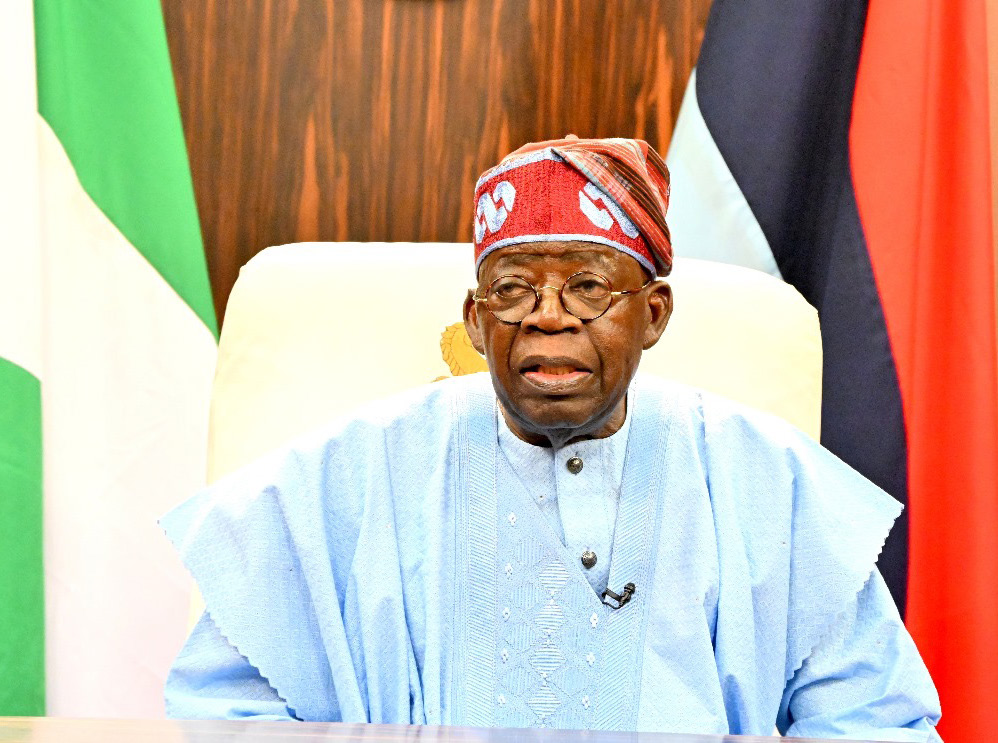
The Federal Government commences the implementation of Executive Order 9 of 2026, a policy directive issued by Bola Ahmed Tinubu, aimed at safeguarding petroleum revenues and reinforcing fiscal transparency across Nigeria’s oil and gas sector.
Mediaplusng.com reports that the Implementation Committee for Executive Order 9 holds its inaugural meeting on February 26, 2026, marking the formal start of reforms designed to protect federal earnings and improve the management of petroleum revenue flows. The committee underscores the importance of aligning petroleum revenue administration with constitutional provisions and national fiscal objectives.
At the meeting, members reaffirm the President’s directive that all revenues accruing to the Federation from petroleum operations must be handled in a manner that upholds constitutional principles, safeguards funds due to the Federation Account, and supports fiscal stability for the federal, state, and local governments.
Mediaplusng.com gathers that, in compliance with the Executive Order, NNPC Limited is directed to immediately cease the collection of the 30 percent management fee and the 30 percent frontier exploration fund deductions from profit oil and profit gas under Production Sharing Contracts (PSCs). The committee also announces the suspension of gas flare penalty remittances into the Midstream and Downstream Gas Infrastructure Fund (MDGIF) with immediate effect.
Officials explain that these measures are designed to prevent revenue leakages, enhance accountability, and ensure that petroleum-derived funds are fully captured within the Federation Account. The reforms are part of broader efforts to improve transparency and optimize returns from Nigeria’s hydrocarbon resources.
Mediaplusng.com understands that regarding Section 2, Sub-section 3 of the Executive Order—which mandates direct payments by contractors into the Federation Account—the committee agrees on a structured transition plan. The transition aims to respect existing contractual obligations and financing arrangements while maintaining investor confidence in Nigeria’s oil and gas sector.
Under the approved framework, contractors will continue remitting profit oil, royalty oil, and tax oil under the current system until detailed operational guidelines are released. The committee emphasizes that a clearly defined transition period will ensure an orderly and standardized shift to direct remittance procedures without disrupting ongoing petroleum operations.
To facilitate implementation, the committee establishes a Technical Subcommittee tasked with developing comprehensive transition guidelines within three weeks. The subcommittee is also mandated to initiate a review of the Petroleum Industry Act (PIA) to address structural and fiscal gaps that may weaken Federation revenues.
The Technical Subcommittee is chaired by the Special Adviser to the President on Energy and includes key officials such as the Solicitor-General of the Federation and Permanent Secretary of the Federal Ministry of Justice, the Chairman of the Nigeria Revenue Service, the Chairman of the Forum of Commissioners of Finance, and representatives from the office of the Minister of State for Petroleum Resources (Oil). The Budget Office of the Federation provides secretarial support.
Economic analysts note that the direct remittance model could significantly enhance transparency, improve revenue tracking, and strengthen fiscal coordination among Nigeria’s three tiers of government. They add that the review of existing petroleum legislation may further consolidate gains achieved under the Petroleum Industry Act framework.
The Implementation Committee reiterates its commitment to providing coordinated guidance and timely updates as reforms progress. It commends stakeholders within the petroleum value chain for their cooperation and stresses that Executive Order 9 seeks to ensure Nigeria’s oil and gas resources generate measurable, long-term benefits for citizens nationwide.
With the rollout of Executive Order 9 now underway, the Federal Government signals a decisive step toward fiscal discipline, improved governance, and enhanced accountability in the management of petroleum revenues—an industry that remains central to Nigeria’s economic stability and development trajectory.