The Federal Government launches a new policy initiative to convert academic and scientific research into real economic and social value across Nigeria, as part of efforts to strengthen innovation, job creation, and national development.
At an inauguration ceremony in Abuja, the Federal Ministry of Education formally sets up a Steering Committee and a 13-member Policy Drafting Team to develop Nigeria’s National Research-to-Commercialisation (R2C) Policy, Mediaplusng.com reports. The policy targets long-standing gaps between research output and market-ready products, services, and solutions.
Nigeria produces significant research through universities, research institutes, and specialised agencies, but much of this work remains unused outside academic circles. The new R2C Policy aims to change this pattern by creating clear, structured, and repeatable pathways that move research results into the economy.
According to Mediaplusng.com, the Steering Committee is chaired by the Honourable Minister of Education and is responsible for providing strategic direction and ensuring alignment with national development priorities. The Policy Drafting Team draws expertise from academia, industry, law, finance, and public policy to ensure a practical and globally competitive framework.
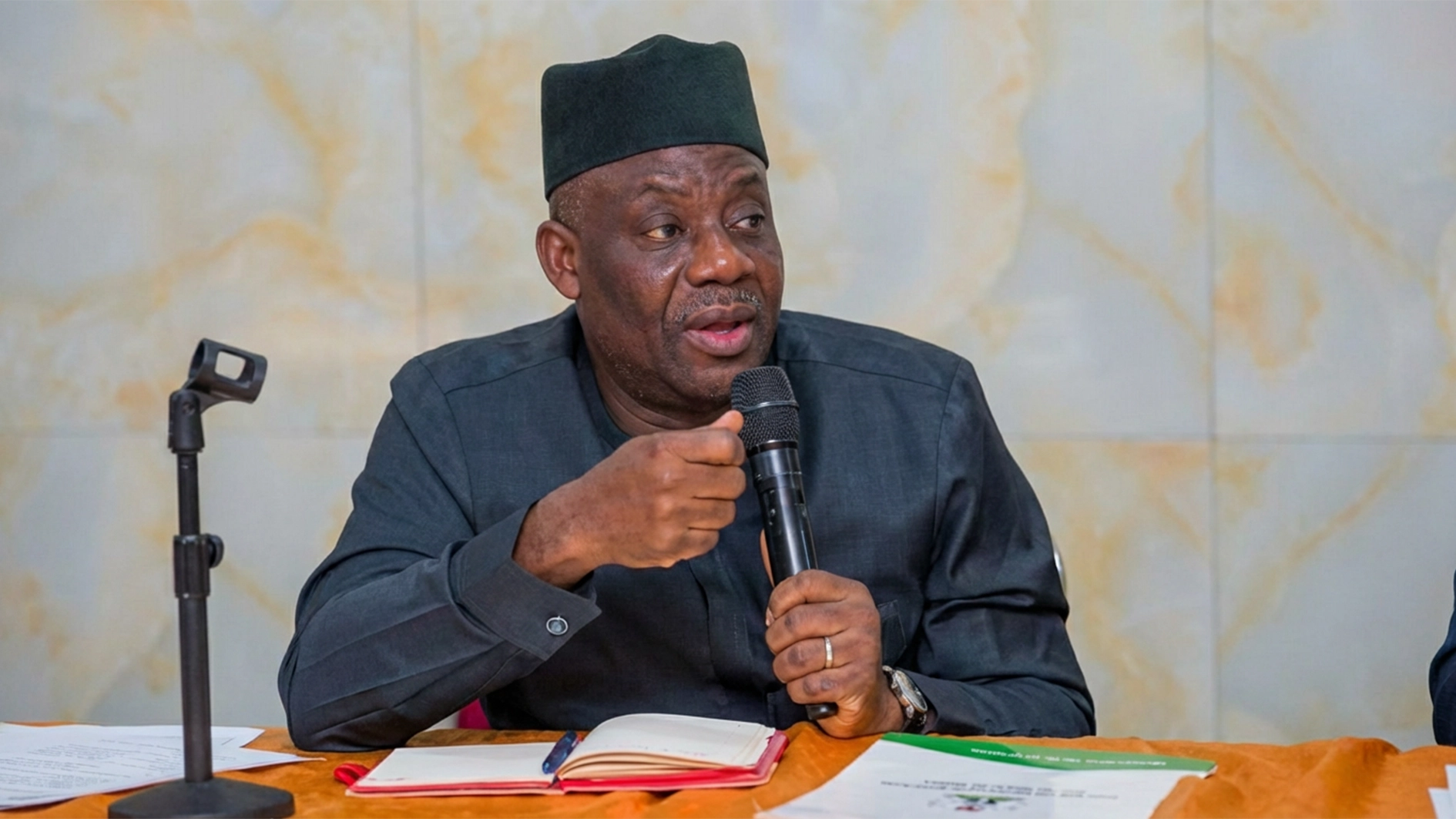
Speaking at the event, the committee chair explains that the policy repositions research beyond knowledge creation to become a key driver of industrial competitiveness, economic diversification, and employment. The initiative focuses on turning ideas into start-ups, scalable businesses, and innovative solutions that address national challenges.
For years, experts note that weak coordination, unclear roles, limited funding mechanisms, and poor incentives hinder research commercialisation in Nigeria. The R2C Policy seeks to resolve these issues by defining responsibilities across government, universities, research institutions, private sector partners, and financial institutions.
The policy also aims to strengthen legal and governance structures that protect intellectual property, encourage innovation, and balance public interest with private investment. Officials stress that safeguarding national interest remains central to the commercialisation process.
Under the framework, the Steering Committee provides oversight and policy alignment, while the Drafting Team handles technical development based on evidence, stakeholder input, and international best practices adapted to Nigeria’s realities.
The Terms of Reference for the committee include drafting and finalising the National R2C Policy, designing governance and institutional structures for implementation, and proposing sustainable financing and incentive models to attract public and private investment.
Other responsibilities include developing a phased implementation roadmap with risk management strategies and establishing a results-based monitoring, evaluation, and learning framework to track impact and accountability.
The Ministry of Education highlights that the success of the R2C Policy depends on strong collaboration among ministries, agencies, universities, research centres, private sector players, and development partners. Officials emphasise that the policy must remain inclusive, data-driven, and action-oriented.
Stakeholders believe the policy will help reduce Nigeria’s dependence on imported technologies by promoting home-grown innovations and supporting local industries. It is also expected to improve the relevance of academic research to real-world economic and social problems.
Education and innovation experts describe the inauguration as a major step toward building a functional bridge between research excellence and national prosperity. They say a well-implemented R2C Policy can unlock the economic value of years of public investment in research and development.
The Federal Government assures that broad consultations will continue throughout the policy drafting process to ensure national ownership and smooth adoption. Once completed, the policy will be submitted for approval and rollout across relevant sectors.
With the launch of the R2C initiative, Nigeria positions itself to better harness research, innovation, and knowledge as engines of sustainable growth, competitiveness, and long-term economic transformation.