
The Plateau State Government confirms its partnership with the Federal Ministry of Livestock Development on the transformation of the Wase Grazing Reserve, firmly rejecting claims that the project is linked to the Miyetti Allah Cattle Breeders Association. State officials say the initiative is a government-led reform focused on security, productivity, and economic growth.
Mediaplusng.com reports that the clarification comes during a joint press briefing in Jos by the Plateau State Commissioners for Livestock Development and Agriculture. The commissioners explain that the livestock reform agenda targets modern production systems, better land use, and inclusive benefits for communities across the state.
According to the state government, its engagement on livestock development is strictly with the Federal Government and aligns with national efforts to reposition the sector for food security, job creation, and sustainable growth. Officials stress that no private association controls or directs the Wase Grazing Reserve project.
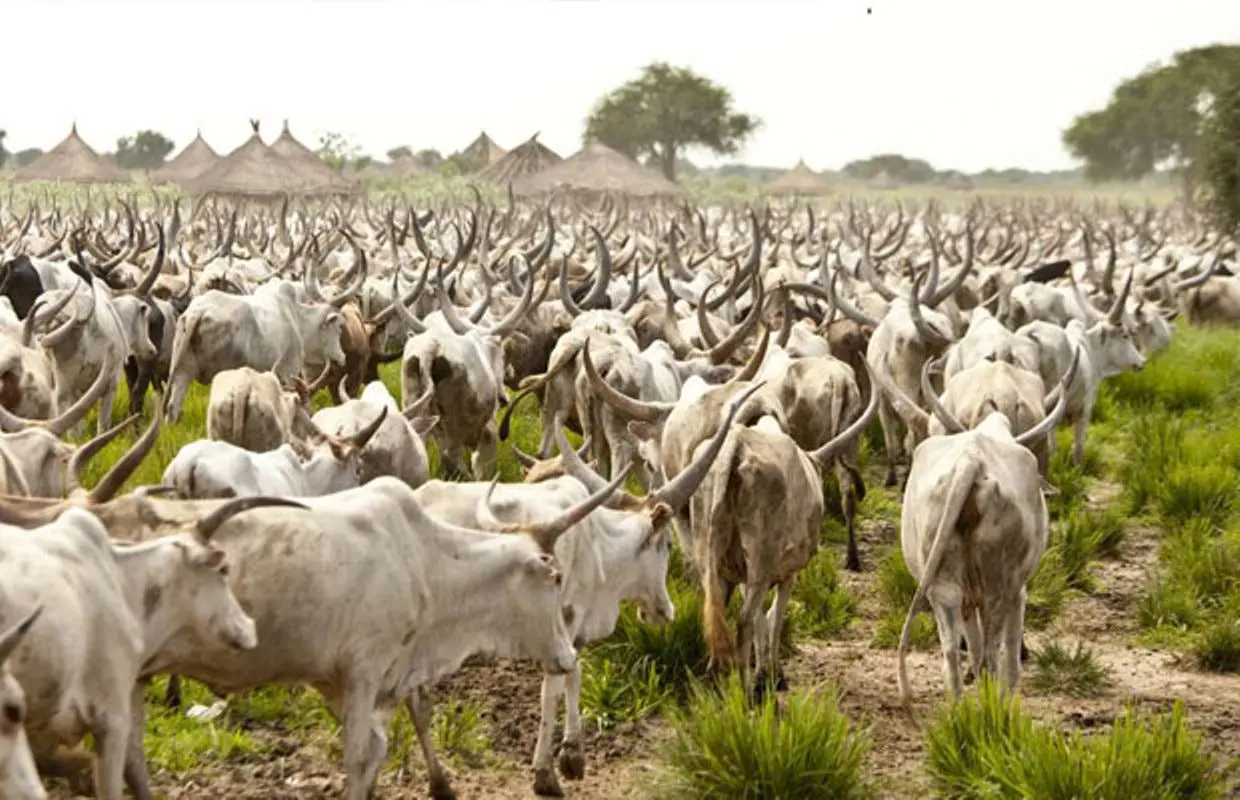
Mediaplusng.com reports that the Wase Grazing Reserve is currently used as a pilot site for modern ranching practices. Pasture development and fodder production are already in progress, while structured consultations continue with different livestock producer groups within Plateau State.
Speaking at the briefing, the Commissioner for Livestock Development, Veterinary Services and Fisheries, Dr. Sunday Akpa, says the project is designed to reduce farmer-herder conflicts by promoting controlled grazing and improved animal management. He notes that modern ranching will enhance animal health, boost productivity, and limit environmental degradation.
Dr. Akpa explains that the reserve follows global best practices, including planned grazing, water management, veterinary support, and value-chain development. He adds that the reform is part of a wider national livestock transformation policy that encourages investment and private sector participation under clear regulations.
Also speaking, the Commissioner for Agriculture and Rural Development, Hon. Samson Ishaku Bugama, says the state views livestock development as a key driver of rural economic growth. He states that improved livestock systems will support crop farming, create jobs for youths, and increase household incomes.
Hon. Bugama says the government is engaging farmers, herders, traditional leaders, and local communities to ensure the project reflects local realities and enjoys broad acceptance. He adds that transparency and dialogue remain central to the reform process.
The state government emphasises that the Wase Grazing Reserve is not a takeover of community land but a regulated development programme under government oversight. Officials say land use plans respect existing rights and follow legal and environmental standards.
They also dismiss misinformation circulating on social media, urging residents to rely on verified sources and official communication. According to the commissioners, false narratives risk inflaming tensions and undermining genuine efforts to improve security and livelihoods.
Security agencies, the government notes, remain involved to ensure peace around project locations. The aim, officials say, is to prevent criminal infiltration, protect lives and property, and support lawful economic activities.
Experts say modern grazing reserves can reduce open grazing, limit clashes, and improve meat and dairy supply if properly managed. Plateau officials say lessons from the Wase pilot will guide future livestock projects across the state.
The government adds that training programmes, extension services, and access to finance will be expanded to support livestock producers willing to adopt modern practices. Women and youths, officials say, are key targets for inclusion.
As implementation continues, the Plateau State Government reiterates its commitment to working with the Federal Government to deliver a safe, productive, and transparent livestock sector. Officials insist the focus remains on development, peace, and shared prosperity for all residents of the state.