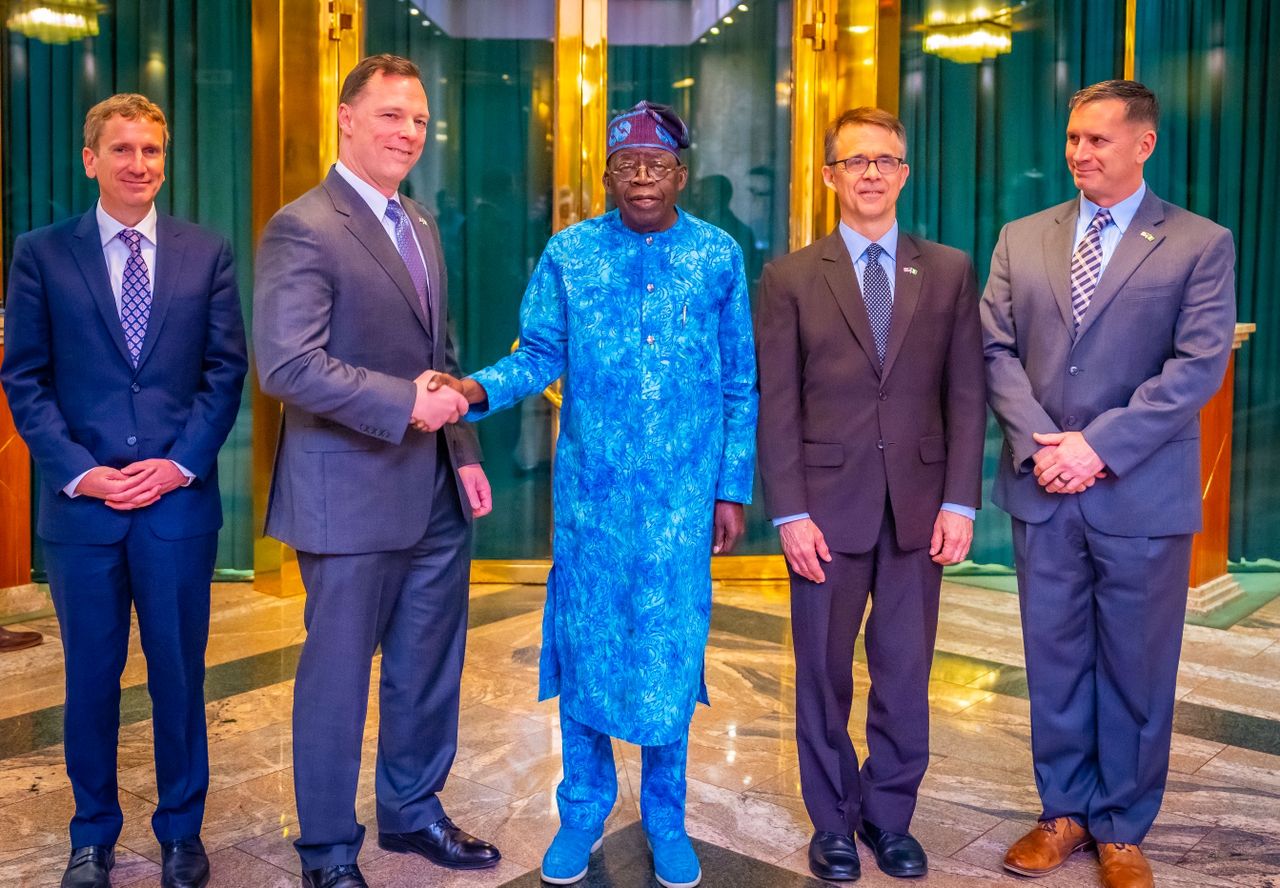
President Bola Ahmed Tinubu receives a high-level delegation from the United States Africa Command (AFRICOM) at the Presidential Villa in Abuja, as Nigeria and the United States deepen strategic talks on security cooperation, regional stability, and defence partnerships across Africa.
According to Mediaplusng.com, the delegation is led by the Commander of AFRICOM, General Dagvin Anderson, and includes the Chargé d’Affaires of the U.S. Embassy in Nigeria, Keith Heffern, Senior Foreign Policy Adviser to AFRICOM, Ambassador Peter Vrooman, and the Command Senior Enlisted Leader of AFRICOM, Command Sergeant Major Garric M. Banfield.
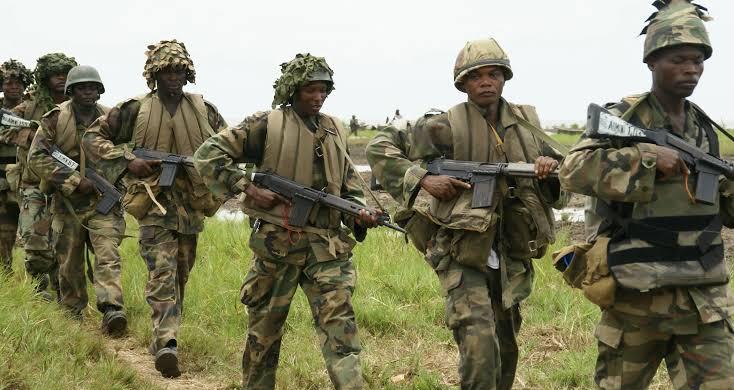
The visit forms part of ongoing diplomatic and military engagements between both countries, aimed at strengthening collaboration in counterterrorism, maritime security, intelligence sharing, and capacity building for African armed forces, particularly in the Gulf of Guinea and the Sahel region.
Mediaplusng.com reports that discussions during the meeting focus on Nigeria’s central role in regional security efforts and the need for sustained international partnerships to address terrorism, banditry, piracy, and other transnational threats affecting West and Central Africa.
President Tinubu reaffirms Nigeria’s commitment to working closely with the United States to promote peace, stability, and democratic governance on the continent. He emphasizes that security remains a top priority of his administration, noting that economic growth and national development cannot thrive without safety and stability.
The President highlights Nigeria’s ongoing security reforms, including improved coordination among security agencies, investments in technology, and renewed emphasis on intelligence-led operations. He stresses the importance of partnerships that respect national sovereignty while supporting local capacity.
General Dagvin Anderson commends Nigeria’s leadership role in Africa and acknowledges the sacrifices made by Nigerian security forces in tackling complex security challenges. He reiterates AFRICOM’s commitment to supporting Nigeria through training, advisory support, and joint initiatives aimed at strengthening regional security architecture.
The AFRICOM Commander notes that Nigeria remains a key partner in addressing shared security concerns, particularly the spread of violent extremism and organized crime networks operating across borders. He says AFRICOM’s engagement prioritizes long-term stability, professionalism, and civilian protection.
Chargé d’Affaires Keith Heffern underscores the enduring diplomatic relationship between Nigeria and the United States, describing it as one built on mutual respect, shared values, and common security interests. He affirms continued U.S. support for Nigeria’s efforts to promote peace and prosperity.
Ambassador Peter Vrooman, Senior Foreign Policy Adviser to AFRICOM, explains that the visit also provides an opportunity to align military cooperation with broader diplomatic and development objectives. He stresses that security solutions must work hand in hand with governance, economic inclusion, and community resilience.
Command Sergeant Major Garric M. Banfield highlights the importance of professional military education and welfare of service personnel. He notes that AFRICOM places strong emphasis on ethics, leadership, and respect for human rights in all its engagements with partner nations.
The meeting also touches on regional cooperation among African states, with President Tinubu reiterating Nigeria’s support for multilateral security frameworks and African-led solutions to African challenges. He calls for stronger collaboration among neighbouring countries to address cross-border threats.
Security analysts view the visit as a signal of renewed momentum in Nigeria–U.S. defence relations under the Tinubu administration. They note that such high-level engagements often translate into enhanced technical support, training programmes, and strategic dialogue.
Observers also point out that the timing of the visit reflects growing international attention on West Africa, as the region faces evolving security threats alongside political and economic transitions.
The AFRICOM delegation later signs the visitor’s book and holds brief interactions with senior Nigerian officials, reinforcing diplomatic ties and institutional cooperation between both countries.
As Nigeria continues to reposition its security strategy, stakeholders say sustained engagement with international partners like the United States remains crucial, especially in tackling terrorism, securing maritime routes, and supporting peacekeeping efforts.
The visit ends with assurances from both sides to maintain open channels of communication and deepen collaboration in pursuit of a safer and more stable Africa.