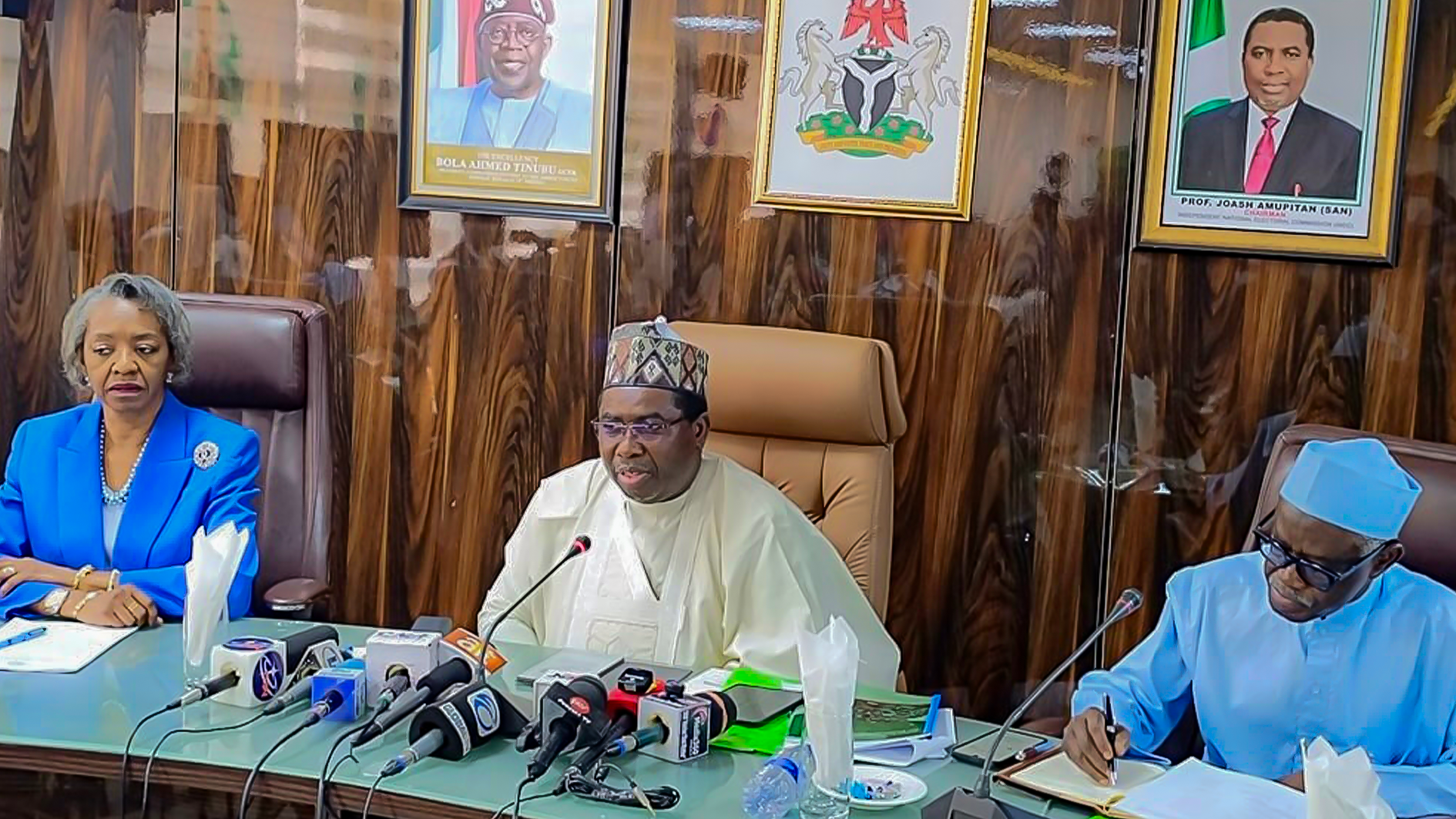
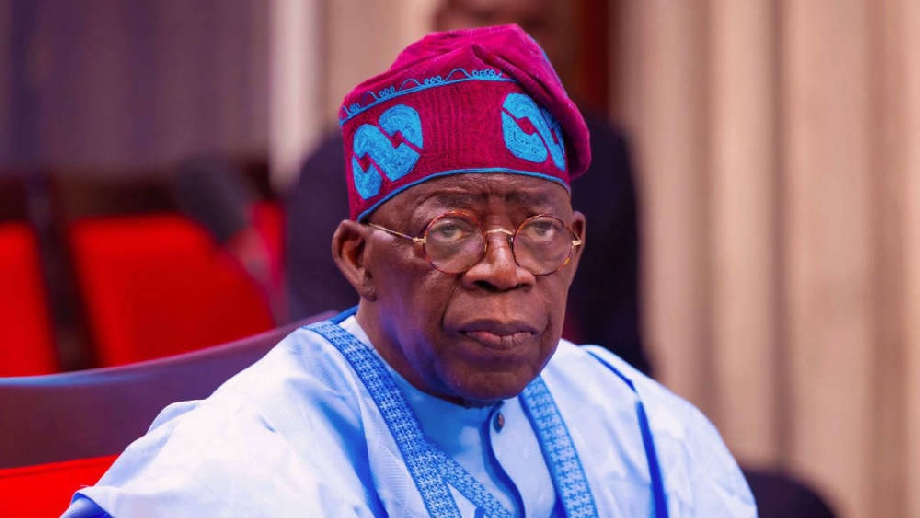
President Bola Ahmed Tinubu signs the amended Electoral Act 2022 into law at the State House in Abuja, reaffirming his administration’s commitment to strengthening Nigeria’s democracy, improving electoral transparency, and enhancing public confidence in the nation’s voting system.
According to reports monitored by Mediaplusng.com, the President states that he follows the debates and deliberations at the National Assembly of Nigeria closely before granting assent. He commends the leadership of both chambers for managing the amendment process without confusion or disenfranchisement, noting that constructive legislative engagement remains central to democratic growth and national stability.
President Tinubu emphasises that democracy thrives on open dialogue, critical thinking, and collective responsibility. He explains that the essence of the democratic process lies in robust discussions aimed at national development, institution-building, and safeguarding the stability of the country. According to him, confidence in the electoral system must be reinforced, while acknowledging that systems are ultimately managed and implemented by people.
Further details obtained by Mediaplusng.com highlight the President’s remarks on the controversies that precede the passage of the amendments. He maintains that while technological advancements play a growing role in elections, human oversight remains essential. He underscores that many aspects of Nigeria’s voting process continue to operate manually, from voter accreditation to ballot casting and counting.
The President explains that voters still appear physically at polling units, receive ballot papers manually, make their choices in privacy, and cast their votes without interference. Ballots are counted manually at polling units before results are entered into official forms. He clarifies that while electronic systems support result transmission, the foundation of the process remains manual and community-based.
As reported by Mediaplusng.com, President Tinubu also addresses concerns about electronic transmission of results. He stresses the need to safeguard the system against technical glitches, interference, and cyber threats. He raises questions about broadband capacity and technological preparedness, urging stakeholders to continuously improve infrastructure to meet evolving demands of modern elections.
The President affirms that Nigeria must balance innovation with realism. He notes that electronic transmission enhances transparency but must be backed by reliable infrastructure to avoid disruptions. He assures Nigerians that reforms contained in the amended Act aim to protect the integrity of the vote while maintaining accountability at every stage of the process.
Speaking at the ceremony, Senate President Godswill Akpabio describes the signing as a significant milestone in Nigeria’s democratic journey. He states that lawmakers work for nearly two years to review and refine the amendments, ensuring that the Independent National Electoral Commission (INEC) has sufficient time to conduct procurements and release the timetable for the next general elections.
He explains that the amended law contains provisions designed to promote free, fair, and credible elections acceptable to Nigerians and the international community. According to him, while disagreements arise during legislative deliberations, consensus ultimately reflects the strength and beauty of democracy.
Akpabio further notes that the amendments formally introduce broader electronic transmission of results from polling units, alongside the continued use of the INEC Result Viewing portal (IReV), which allows citizens to monitor uploaded results. He says the reforms aim to boost transparency and public trust in electoral outcomes.
Also present at the signing ceremony are Speaker of the House of Representatives Tajudeen Abbas, Deputy Speaker Benjamin Kalu, Chief of Staff to the President Femi Gbajabiamila, and Special Adviser to the President on Senate Matters Basheer Lado, alongside other principal officers of the National Assembly.
Political analysts describe the signing of the amended Electoral Act as a defining step ahead of the next election cycle, particularly in strengthening legal frameworks governing result transmission, voter participation, and electoral dispute resolution. Observers say sustained investment in technology, training, and infrastructure will determine the effectiveness of the reforms.
With the new amendments now signed into law, the focus shifts to implementation. Electoral stakeholders, political parties, civil society organisations, and security agencies are expected to align their operations with the updated provisions to ensure smooth and credible elections.
The signing ceremony at the State House signals a renewed commitment to democratic consolidation in Nigeria. As preparations intensify for future elections, attention remains on transparency, accountability, and citizen participation as pillars of a stronger democratic system.
For in-depth political analysis, governance updates, and electoral reform coverage, stay connected to Mediaplusng.com for timely and comprehensive reporting.