The The New Nigeria Movement (TNNM) inaugurates its Niger State chapter with a strong call for unity beyond religious, ethnic, and political divides, as leaders emphasize inclusive governance and disciplined leadership as pillars for national transformation.
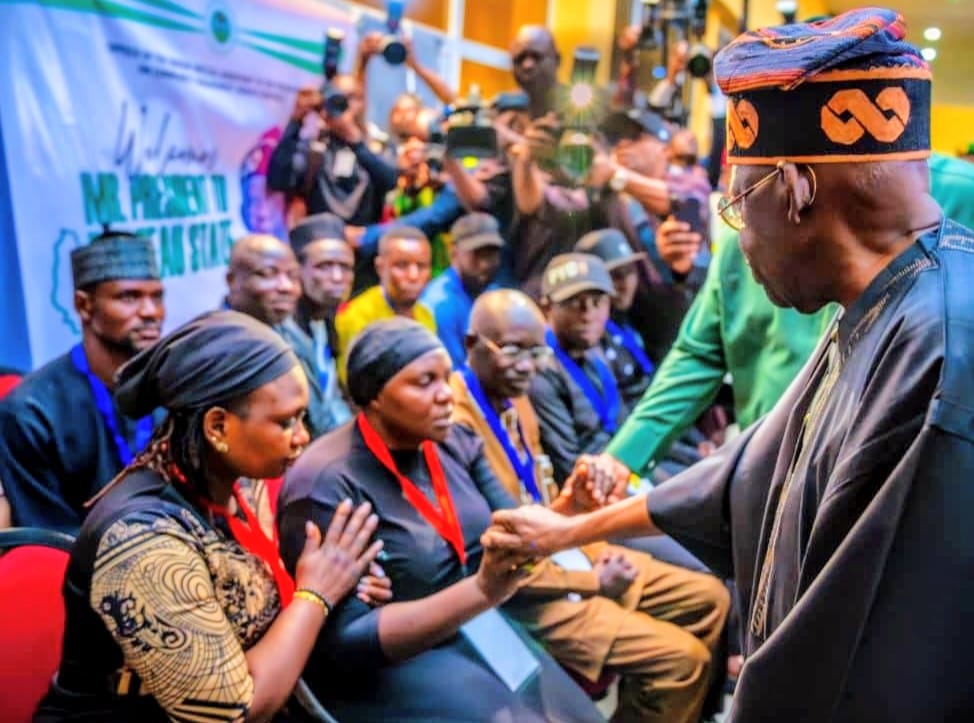
At the inauguration ceremony in Niger State, the National Coordinator of TNNM, Kenneth Ibuchi, commends newly appointed members and appreciates the support of stakeholders, including the state government. According to Mediaplusng.com, the event attracts community leaders, youth representatives, political stakeholders, and civil society actors committed to strengthening grassroots participation and reform-driven leadership.
Addressing members during the formal inauguration, Ibuchi stresses that no organisation can succeed without structure, unity, and a shared sense of purpose. He warns that internal division often weakens even the most noble movements, urging the newly constituted Executive Council (Exco) in Niger State to operate with discipline, cooperation, and accountability.
As reported by Mediaplusng.com, Ibuchi reiterates that TNNM stands firmly against religious, ethnic, or sectional discrimination. He maintains that once individuals join the movement, divisive labels no longer define them. According to him, unity remains the foundation upon which the New Nigeria Movement builds its vision for national renewal and inclusive development.
The National Coordinator explains that the movement’s core objective is to promote good governance, quality leadership, and citizen-driven development across Nigeria. He clarifies that TNNM operates as an inclusive and non-partisan platform, welcoming members from different political parties, including the All Progressives Congress (APC), the People’s Democratic Party (PDP), the African Democratic Congress (ADC), and other political platforms. He emphasizes that the goal of political participation should always be national progress and positive impact, rather than partisan rivalry.
In further coverage, Mediaplusng.com highlights Ibuchi’s position that political parties exist to advance the country’s development and democratic growth. He states that meaningful transformation can emerge from any platform, provided leadership prioritizes integrity, service, and accountability. According to him, the movement does not seek to replace political parties but to inspire a culture of responsible governance across party lines.
Also speaking at the event, the Chairman of the Coordinators’ Forum of TNNM, Ifeanyi Anthony, describes the inauguration as more than a ceremonial gathering. He calls it a declaration of readiness and commitment to building a Nigeria that works for all citizens—not just a privileged few. Anthony notes that the expansion of the Niger State chapter represents another strategic step in the movement’s nationwide growth and grassroots engagement.
Anthony explains that TNNM is founded not on political slogans or dominance but on the restoration of values, trust, justice, and competence in public service. He charges the newly inaugurated Executive Council to treat leadership within the movement as a call to sacrifice and service. According to him, leadership in TNNM demands consistency, transparency, fairness, and unwavering dedication to the people.
Earlier in his remarks, the Niger State Coordinator of TNNM, Musa Alfa, states that meaningful change in Nigeria remains both possible and necessary. He describes reform as a shared responsibility that requires active citizen participation. Musa points to what he calls a national paradox—abundant natural and human resources existing alongside poverty, unemployment, and food insecurity.
He notes that Nigeria possesses fertile land, energetic youth, and vast economic potential, yet struggles with hardship and inequality. According to him, this reality underscores the urgency of collective action and people-focused leadership. Musa characterizes TNNM as a movement of ordinary Nigerians—farmers, traders, teachers, students, and workers—determined to reclaim accountability and strengthen democratic engagement.
The Niger State Coordinator urges residents to formally register as members in their respective wards and local government areas. He encourages volunteers to mobilize family members, neighbours, and colleagues in support of unity, transparency, and ethical leadership. He emphasizes that building a new Nigeria begins with strengthening communities at the state level.
As the inauguration concludes, speakers consistently reinforce a central message: national transformation requires unity beyond religion, ethnicity, and party lines. Through grassroots mobilisation, inclusive leadership, and disciplined coordination, the New Nigeria Movement positions itself as a civic platform focused on governance reform, accountability, and sustainable national development.
The Niger State chapter inauguration marks another milestone in TNNM’s expanding national footprint, as the movement continues to advocate for justice, citizen empowerment, and a functional Nigeria driven by collective responsibility and shared purpose.