The United States launches coordinated counterterrorism strikes against Islamic State (ISIS) positions in northwestern Nigeria, marking a major escalation in Washington’s response to violent extremist activity in the region. The operation follows earlier warnings by U.S. President Donald Trump over attacks on civilians, including Christian communities, and signals renewed security cooperation between the U.S. and Nigeria.
According to Mediaplusng.com, the strikes target suspected ISIS camps operating near Nigeria’s border areas, where armed groups have carried out repeated assaults on civilians and security forces. U.S. officials say the action aligns with broader efforts to weaken terrorist networks threatening stability in West Africa and to protect innocent lives.
U.S. military sources explain that the operation involves precision strikes launched from naval assets positioned in the Gulf of Guinea. The strikes reportedly hit multiple extremist locations believed to serve as logistics and coordination hubs for ISIS-linked fighters active in parts of northwestern Nigeria. Initial assessments indicate that several militants are neutralized, while efforts continue to evaluate the full impact of the operation.
Mediaplusng.com reports that U.S. Africa Command confirms the mission is conducted in coordination with Nigerian security authorities. American officials stress that the objective is not occupation but disruption of violent extremist groups that exploit weak governance, porous borders, and local grievances to carry out attacks on civilians across the Sahel and northern Nigeria.
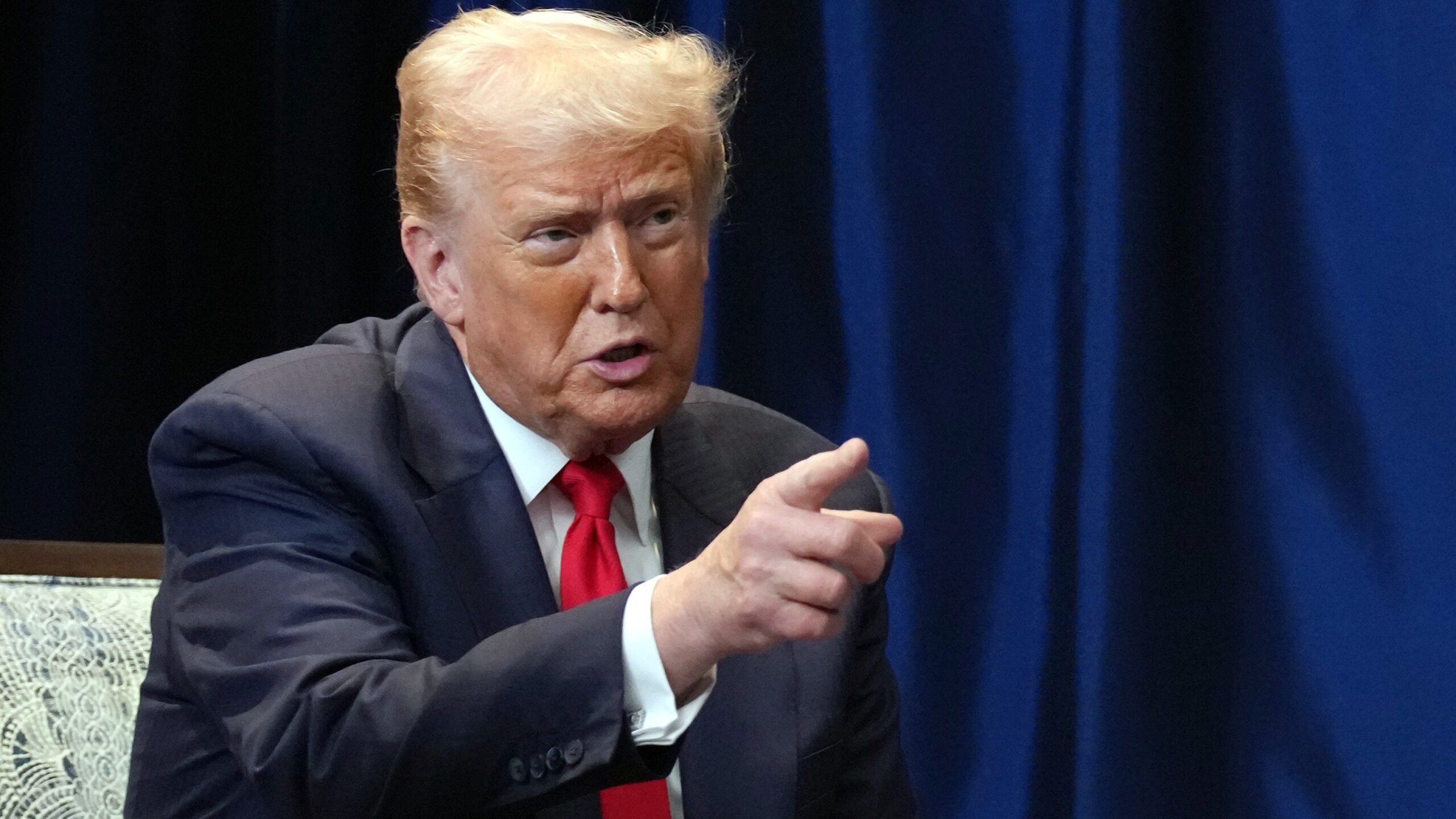
President Trump, reacting to the development, reiterates that the United States will not ignore sustained violence against innocent people. He states that protecting lives and confronting terrorism remain core priorities of his administration, especially where extremist groups target communities based on religion or identity. U.S. defense officials add that the operation follows weeks of intelligence gathering and surveillance across high-risk zones.
Security analysts note that the affected area lies along Nigeria’s frontier with Niger, a region increasingly influenced by the Islamic State–Sahel faction. The group is known for cross-border raids, attacks on military outposts, and assaults on civilian populations. Experts say these networks thrive amid poverty, limited state presence, and regional instability, making coordinated international action critical.
For years, Nigeria has battled multiple armed groups with varying ideologies and objectives, including insurgents, bandits, and terrorist cells. While international advocacy groups have raised concerns about targeted attacks on Christian communities, Nigerian authorities maintain that violence affects both Christians and Muslims, with civilians bearing the greatest burden regardless of faith.
Recent diplomatic engagement between Abuja and Washington intensifies following the U.S. president’s directive to his defense team to prepare options for protecting vulnerable populations. Nigerian officials welcome intelligence sharing, surveillance support, and targeted operations that respect national sovereignty while strengthening local capacity to combat terrorism.
The U.S. Department of Defense says the strikes are part of a wider strategy to prevent extremist organizations from gaining safe havens. Officials emphasize that sustained pressure, regional partnerships, and development-focused solutions are all necessary to achieve lasting security in Nigeria and the wider Sahel.
As investigations and assessments continue, both governments reaffirm their commitment to counterterrorism cooperation. U.S. and Nigerian authorities say further actions will prioritize civilian safety, strengthen border security, and disrupt extremist financing and recruitment networks.
Observers say the latest operation underscores growing international concern about the spread of ISIS-linked groups in West Africa. While military action may degrade operational capacity, analysts stress that long-term peace will also depend on governance reforms, economic inclusion, education, and community-based conflict prevention.
For now, the strikes send a clear message that international partners are prepared to act against groups that threaten lives and regional stability, as Nigeria continues its complex fight against terrorism and insecurity.