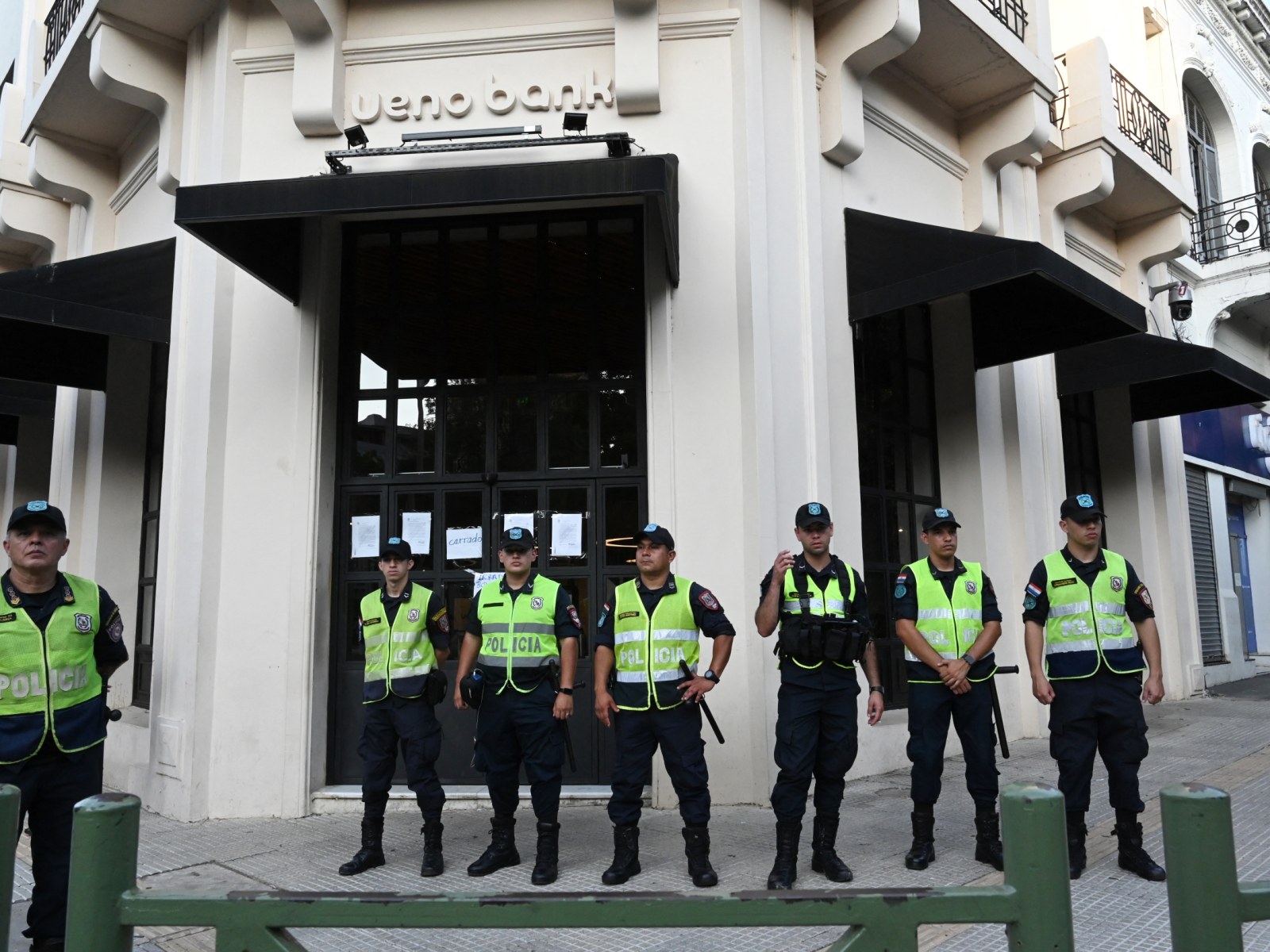
A major banking crisis in Paraguay is sending shockwaves across the financial sector, after the country’s Central Bank placed Ueno Bank, one of its largest digital lenders, under official resolution, leaving approximately three million customers temporarily unable to access their accounts.
The figure represents roughly 60 per cent of Paraguay’s adult population, making the development one of the country’s most significant financial crises in recent years.
The crisis erupted after regulators discovered that Ueno Bank’s financial position had deteriorated significantly, with its capital adequacy falling below half the legally required minimum.
Following the discovery, the Central Bank moved to take control of the institution, suspending its normal operations and beginning a process to protect depositors and manage its remaining assets.
Customers were left unable to access their savings through the bank’s mobile application, cards and other banking services. Branches also shut their doors, triggering anxiety among depositors who depend on the institution for their daily financial transactions.
The crisis has also taken a dramatic political turn.
The head of Paraguay’s Central Bank resigned following the controversy, while authorities detained eight senior Ueno Bank executives, including its founder, Miguel Vázquez, and bank president, Juan Manuel Gustale.
Prosecutors have also launched investigations into alleged financial misconduct involving bank officials and business associates.
Public anger has spilled onto the streets, with depositors, pensioners, workers and other affected citizens demanding accountability and the immediate recovery of their money.
But the biggest political development came on Thursday, November 5, when President Santiago Peña announced his resignation amid mounting pressure over the banking crisis. Paraguay’s lower house subsequently approved impeachment proceedings against him.
Authorities say arrangements are being made to transfer eligible customer deposits to other financial institutions and facilitate repayments. Reports indicate that deposit insurance could protect approximately 97 per cent of depositors, subject to applicable coverage limits.
The Ueno Bank crisis raises important questions about banking regulation, corporate governance, financial transparency and the protection of public deposits.
For countries like Nigeria, it also highlights the importance of strong financial regulation, effective supervision of digital banks and credible deposit insurance arrangements.
Digital banking offers convenience, but customers must understand the risks and the protections available to their deposits.
One important lesson is that financial security requires more than convenient banking applications. It depends on institutional accountability, sound financial management and effective regulatory oversight.
Paraguay’s experience is a reminder that confidence in the financial system must be protected.