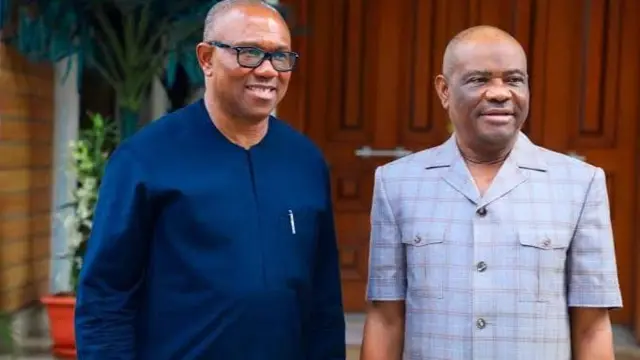
Minister of the Federal Capital Territory, Nyesom Wike, has launched a fresh attack on former Anambra State Governor and 2023 Labour Party presidential candidate, Peter Obi, declaring that the political movement associated with his last presidential campaign has lost its momentum ahead of the 2027 general election.
Speaking during a media chat on Thursday, November 5, 2026, Wike dismissed suggestions that opposition parties could mount a strong challenge against the ruling All Progressives Congress and force a presidential runoff in 2027.
In a controversial declaration, the FCT Minister claimed responsibility for the alleged decline of the movement popularly associated with Obi’s supporters.
“All these so-called ‘Obi Kererenke’, it does not exist again. I have killed it. I have killed it,” Wike declared.
When asked whether opposition parties could force the APC into a runoff, Wike questioned the possibility, asking: “Run where? What is runoff? With who?”
The former Rivers State governor also criticised former Vice-President Atiku Abubakar, arguing that Nigerians had previously given him an opportunity to lead but that he failed to deliver the expected results.
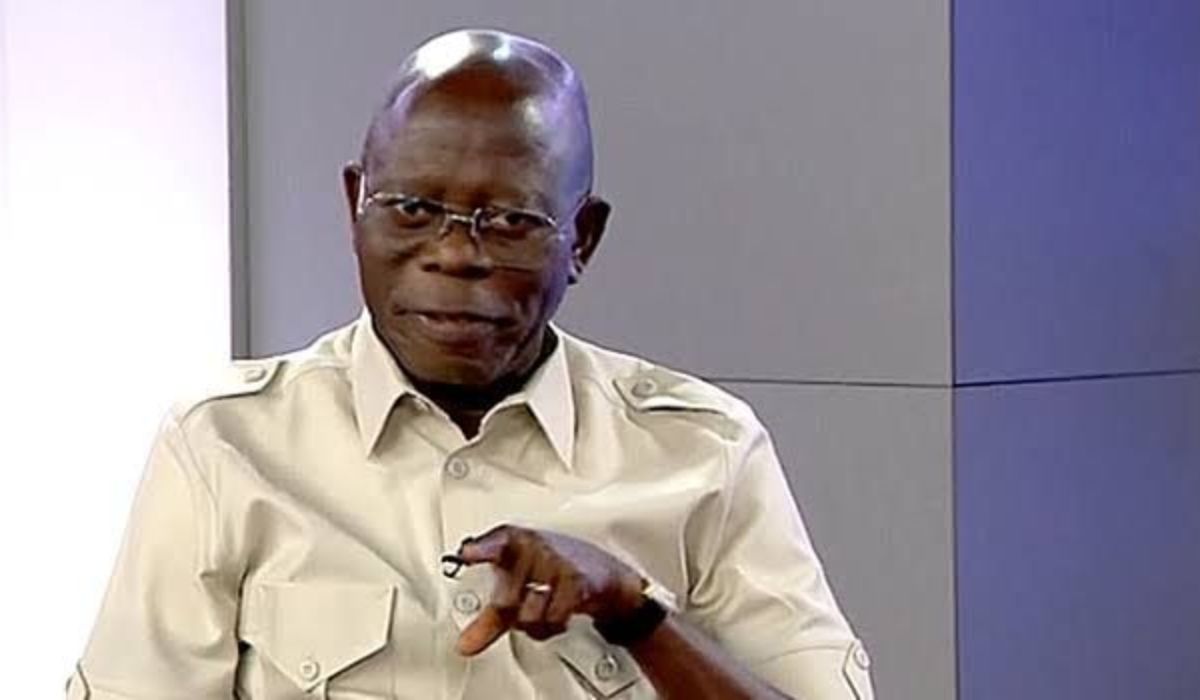
Wike further accused former Rivers State Governor Rotimi Amaechi of mismanaging the state’s resources during his tenure, an allegation that remains a political claim by the minister.
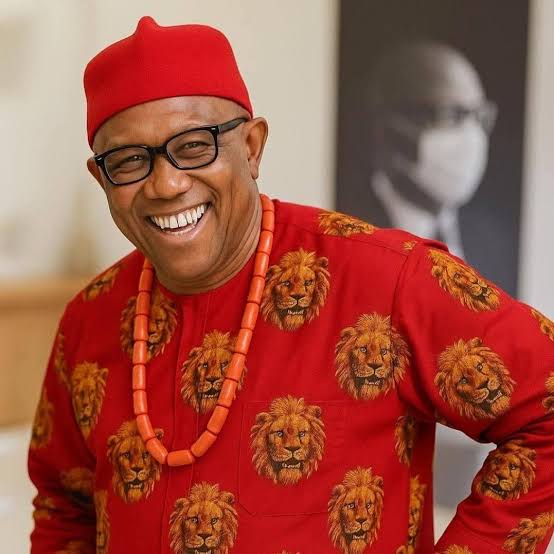
Turning his attention to Peter Obi, Wike questioned the former governor’s political appeal and what he described as his capacity to offer Nigerians a credible alternative.
“Nigerians know that Obi has turned it into an offer. He is a dramatist. Nigerians know Obi has nothing to offer. The Obi wave is even dead and buried,” he said.
The minister also questioned whether Obi still enjoys the financial contributions and grassroots enthusiasm that characterised his 2023 presidential campaign.
He equally challenged the ability of opposition figures to translate their popularity in particular regions into nationwide electoral support ahead of 2027.
Wike’s comments come amid growing political realignments, opposition negotiations and emerging alliances as political actors prepare for another presidential contest.
Obi’s 2023 campaign attracted considerable support, particularly among young Nigerians and voters seeking an alternative to the established political parties. The movement became widely known as the Obidient movement.
However, Wike’s latest remarks raise broader questions about the strength of opposition politics, the sustainability of grassroots political movements and the possibility of a united challenge to the ruling APC.
Whether the minister’s assessment reflects the wider political mood or remains his personal political position is a question that will continue to generate debate as the 2027 elections approach.
For now, the political exchanges between Wike and opposition figures show that the battle for 2027 is already intensifying.