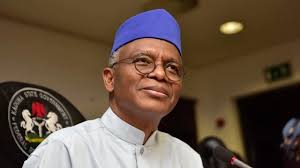
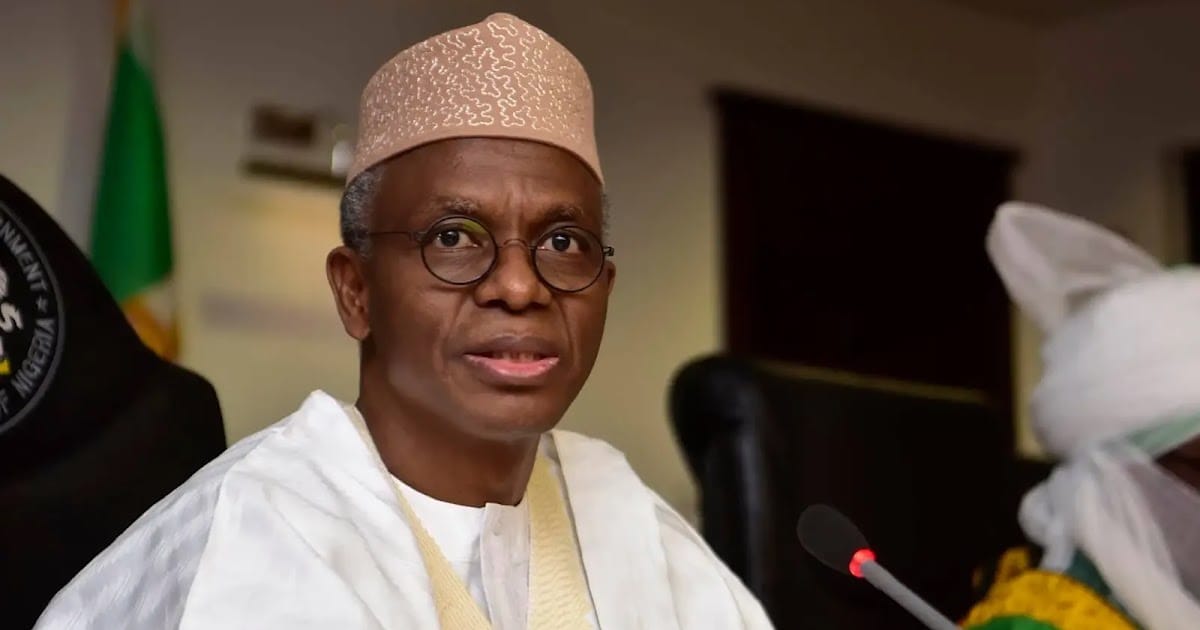
Former Kaduna State Governor Nasir Ahmad El-Rufai appears before the Kaduna State High Court as legal proceedings in a high-profile corruption case resume, drawing national attention to issues of accountability and governance in Nigeria.
The case, instituted by the Independent Corrupt Practices and Other Related Offences Commission, centers on allegations including abuse of office, fraud, intent to commit fraud, and the conferring of undue advantage.
According to Mediaplusng.com, the courtroom session marks a critical stage in the ongoing trial, as both prosecution and defense teams prepare to present arguments and advance the case.
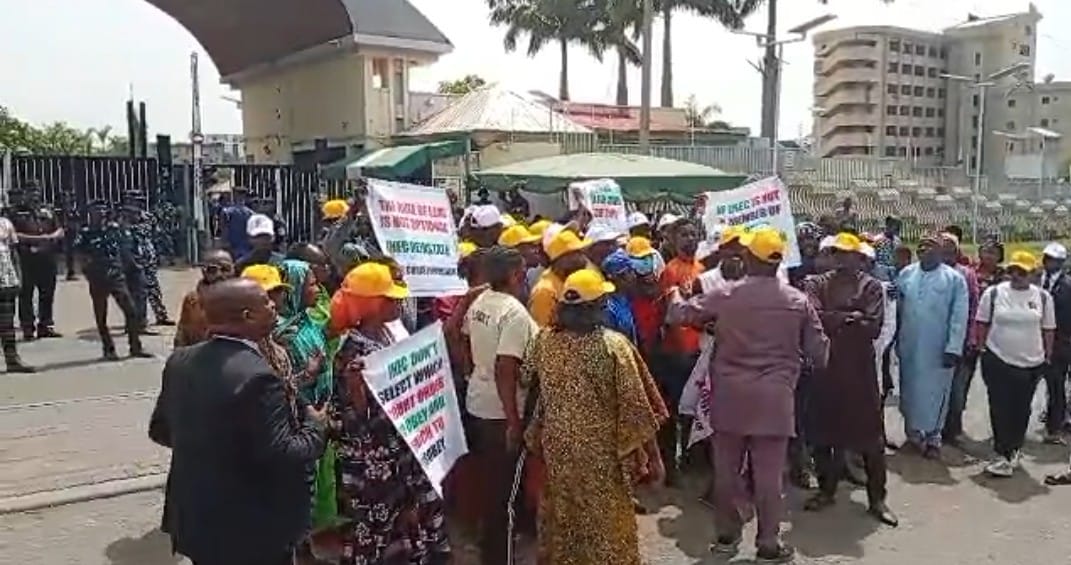
The former governor arrives at the court premises early in the day under tight security, attracting a large crowd of supporters, legal practitioners, and observers eager to follow developments.
The presence of security personnel underscores the sensitivity and public interest surrounding the case, as well as the need to maintain order during proceedings.
Inside the courtroom, legal representatives from both sides engage in procedural discussions, setting the tone for what is expected to be a closely watched judicial process.
El-Rufai stands trial alongside an associate, with both defendants facing multiple charges that relate to alleged financial misconduct during his tenure in office.
The prosecution is expected to rely on documentary evidence and witness testimonies to substantiate its claims, while the defense is likely to challenge the allegations and present counterarguments.
According to Mediaplusng.com, the case highlights ongoing efforts by anti-corruption agencies to strengthen transparency and enforce accountability among public office holders.
Observers note that the outcome of the trial could have broader implications for governance, public trust, and the rule of law in Nigeria.
Outside the courtroom, public interest remains high, with supporters expressing confidence in the former governor’s innocence and calling for a fair and transparent trial.
Legal analysts emphasize the importance of due process, noting that all parties involved must be given equal opportunity to present their case in accordance with the law.
In a related development, the former governor is also facing a separate legal matter before the Federal High Court, involving allegations of financial impropriety running into significant sums in both local and foreign currency.
That case is scheduled for further hearings, including a bail application, as part of the broader legal challenges confronting the former public official.
Despite the ongoing trials, El-Rufai is reportedly maintaining active engagement in political discussions, reflecting the intersection of legal proceedings and political dynamics.
Experts say such cases often test the resilience of democratic institutions, particularly in ensuring that justice is served without interference.
The judiciary, in this instance, plays a crucial role in upholding the rule of law and reinforcing the principles of fairness and accountability.
As proceedings continue, stakeholders across the legal and political spectrum are closely monitoring developments, with expectations of a thorough and impartial adjudication.
The trial is expected to proceed with further submissions, witness presentations, and legal arguments in the coming sessions.
For many Nigerians, the case represents another important moment in the ongoing fight against corruption and the strengthening of institutional integrity.
Authorities reiterate their commitment to ensuring that justice is served, while also safeguarding the rights of all individuals involved.
As the hearing progresses, attention remains focused on the courtroom, where the legal process continues to unfold.