Médecins Sans Frontières, also known as Doctors Without Borders, is calling for sustained funding and stronger government action to tackle the persistent malnutrition crisis affecting children in northern Nigeria.
Although the number of children treated for acute malnutrition in Katsina State has declined slightly in 2026, the humanitarian organisation warns that the situation remains critical, with thousands of children still requiring urgent medical attention.
Mediaplusng.com reports that MSF teams treated more than 87,000 children for acute malnutrition in Katsina between January and August 2026 through four outpatient therapeutic feeding centres.
The figure is lower than the more than 95,000 children treated during the same period in 2025. However, MSF says the number remains extremely high and exceeds the level recorded two years ago.
The organisation also reports that nearly 15,500 children required hospitalisation for severe or complicated malnutrition during the first eight months of this year. This compares with approximately 16,500 cases recorded over the corresponding period in 2025.
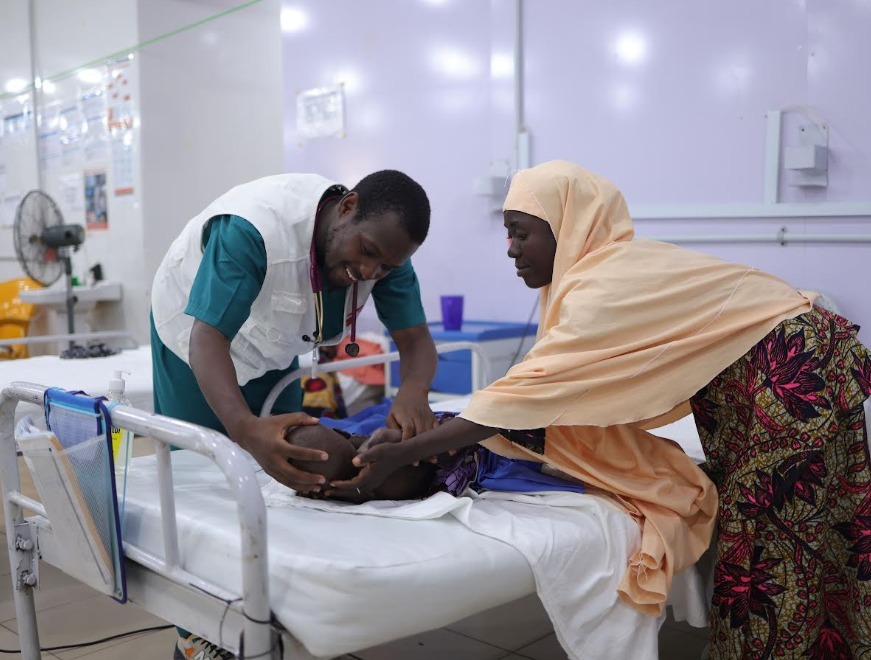
One major concern is the prevalence of kwashiorkor, a severe form of malnutrition associated with swelling of the body and skin lesions. MSF has established a specialised treatment unit in Katsina to care for children affected by the condition.
For some families, the impact of treatment is already becoming evident.
Badiyya Shafi’u, whose child received treatment for kwashiorkor in Katsina, says her child previously struggled to sit up without assistance.
She now reports significant improvement, explaining that the child can sit independently, remain standing with support and is beginning to walk again.
Health workers say such cases highlight the importance of early diagnosis, access to therapeutic food and sustained medical care for children suffering from severe malnutrition.
Several factors continue to drive the crisis across northern Nigeria. These include widespread poverty, rising living costs, insecurity linked to armed banditry and jihadist groups, disease outbreaks, population displacement and extreme weather conditions such as droughts and floods.
However, improvements in security and better harvests in 2025 have helped ease some of the pressure in Katsina State.
According to MSF, some families displaced from Jibia and Batsari local government areas have returned to their communities and resumed farming. This has improved their access to food and contributed to fewer displaced families seeking treatment at some nutrition centres.
Increased humanitarian intervention and the expansion of government-supported treatment services have also contributed to the progress recorded this year.
MSF has supported new treatment centres by training healthcare workers and strengthening their capacity to manage malnutrition cases.
The Katsina State Government has also committed one billion naira to tackling malnutrition, doubling its previous allocation, particularly for the procurement of ready-to-use therapeutic food.
UNICEF has pledged to mobilise a matching amount through its Child Nutrition Fund. MSF says fulfilling these commitments could help sustain the progress and support similar interventions across northern Nigeria.
Despite these developments, access to funding and therapeutic food remains a major challenge. The organisation warns that reductions in international aid, including funding cuts by the United States and several European countries, are putting additional pressure on humanitarian operations.
Katsina has expanded its network of outpatient malnutrition treatment centres from just a few in 2021 to approximately 400 today. Yet, the scale of need continues to place significant demands on available resources.
Nationally, the Nutrition Society of Nigeria has raised concerns that nearly two million Nigerian children are affected by severe acute malnutrition, with only about two in every ten receiving treatment, according to figures cited in the report.
Across its nutrition projects in seven northern states, MSF treated nearly 58,000 children in inpatient facilities and more than 225,000 through outpatient programmes during the first eight months of 2026.
The organisation is urging federal and state governments, international donors and humanitarian partners to maintain and expand their financial commitments.
While the decline in Katsina’s treatment figures offers some encouragement, MSF stresses that lasting progress will depend on reliable funding, improved food security, stronger healthcare services and consistent access to lifesaving nutrition supplies.
For thousands of Nigerian children, sustained action could make the difference between recovery and preventable death.