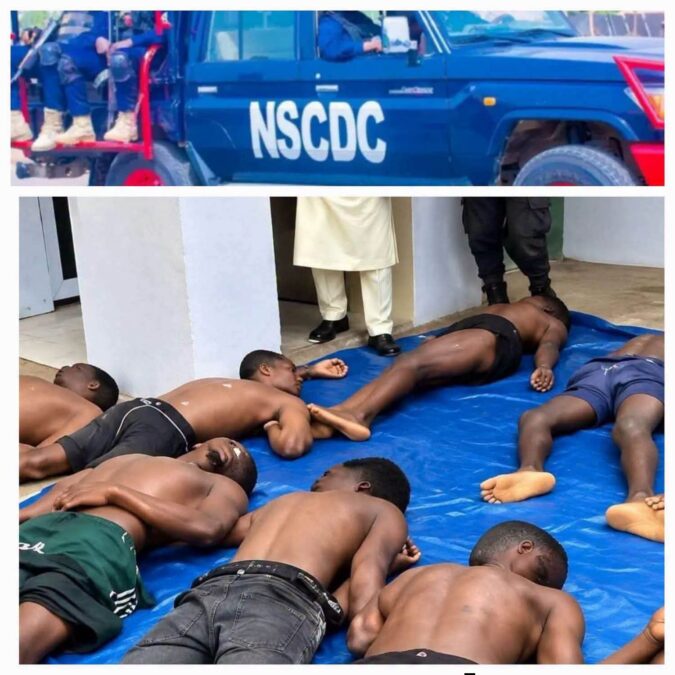

An independent investigation committee probing the deaths of 33 detainees in the custody of the Nigeria Security and Civil Defence Corps, NSCDC, in Niger State has recommended N1.4 billion in compensation for bereaved families and survivors.
The committee also proposed full educational scholarships for the children of those who died, covering primary, secondary and tertiary education.
The recommendations are contained in a report submitted to the Minister of Interior, Olubunmi Tunji-Ojo, on October 27, following investigations into the deaths recorded in September.
Under the proposed compensation arrangement, each of the 33 bereaved families is expected to receive 30 million naira, amounting to 990 million naira.
The committee also recommended 10 million naira for each of the 41 survivors, bringing the total proposed compensation for survivors to 410 million naira.
Combined, the proposed payments amount to 1.4 billion naira.
Beyond financial compensation, the committee recommended full educational scholarships for the surviving children of the deceased victims, from primary school through tertiary education.
It proposed that tuition fees and living stipends should be managed through an institutional trust or escrow arrangement involving the National Human Rights Commission and the Minna Emirate Council.
The arrangement is intended to ensure transparency, accountability and the proper use of funds for the children’s education and welfare.
The recommendations represent a proposed framework for addressing the humanitarian and financial consequences of the incident, with particular attention to the families left behind.
The committee also recommended the release of officers who were cleared of culpability in the incident, although further details of its findings and the individual responsibilities identified were not contained in the information made available.
The proposed compensation and scholarships now place responsibility on the Federal Government and relevant authorities to consider the committee’s recommendations and determine the next steps.
The incident has raised concerns about the welfare, safety and treatment of detainees in government custody, as well as the need for accountability and stronger safeguards against preventable deaths.
For the affected families, however, the recommendations go beyond financial figures. They represent a proposed measure of support for children who have lost their parents and survivors seeking to rebuild their lives.