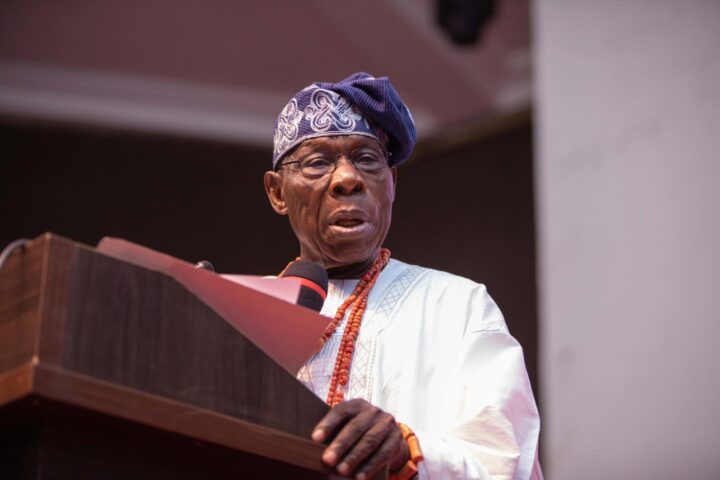
Former President Olusegun Obasanjo has criticised President Bola Tinubu’s economic reforms, arguing that the sharp devaluation of the naira has worsened poverty and reduced the purchasing power of Nigerians.
Obasanjo made the remarks during a keynote interview at the ongoing Financial Times Africa Summit, where he questioned the pace and impact of the government’s currency policy.
The former president argued that the significant decline in the value of the naira had placed an enormous financial burden on citizens, making it increasingly difficult for many households to afford basic necessities.
According to Obasanjo, the exchange rate moved from about 500 naira to the dollar to approximately 1,500 naira, representing a threefold increase in the naira cost of a dollar.
He maintained that the sharp depreciation had contributed to the growing hardship experienced by Nigerians, arguing that the policy had weakened the economic standing of ordinary citizens.
“We do not live in isolation as a country. We interact with the rest of the world. And overnight, you devalue the currency by 300 percent,” Obasanjo said.
He added that the development had significantly impoverished Nigerians and contributed to the country’s position as a nation with one of the largest populations living in poverty.
“You cannot say to me that that is good for Nigeria. You cannot say to me that that is good for us in any sense,” the former president declared.
Mediaplusng.com reports that Tinubu’s administration introduced major economic reforms after taking office in May 2023, including the removal of the petrol subsidy and changes to the foreign exchange system.
The government has defended the reforms as necessary steps towards stabilising the economy, attracting investment, improving public finances and addressing long-standing structural challenges.
However, the policies have been accompanied by significant increases in the cost of living, with households and businesses facing pressure from higher food prices, transportation costs and other essential expenses.
The naira’s depreciation has also increased the local-currency cost of imported goods, raw materials and services, adding to the financial challenges confronting consumers and businesses.
Obasanjo’s comments have renewed attention on the debate over the immediate social costs of economic reforms and the extent to which their anticipated long-term benefits can improve the living conditions of Nigerians.
While supporters of the reforms argue that difficult adjustments are necessary to strengthen the economy, critics continue to question whether sufficient measures have been implemented to protect vulnerable households from the effects of rising living costs.
The debate over Nigeria’s economic direction remains centred on how the government can achieve macroeconomic stability while reducing poverty, creating jobs and improving the purchasing power of citizens.