Nigeria Presents UN Budget
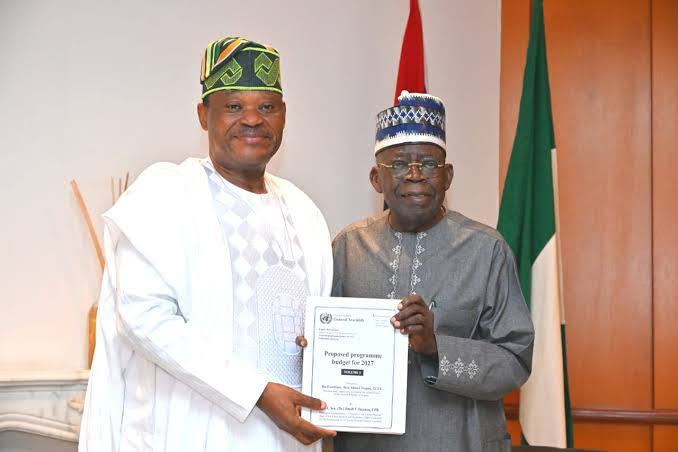
President Bola Tinubu has received the United Nations’ proposed 2027 budget from Nigeria’s Permanent Representative to the organisation, Jimoh Ibrahim, in a presentation described by the envoy as a historic moment for the country.
Ibrahim, who chairs the United Nations General Assembly’s Fifth Committee on Administrative and Budgetary Matters, presented the seven-volume document to the president following its submission by UN Secretary-General António Guterres.
The envoy said Nigeria’s chairmanship of the committee marked a significant milestone, noting that it was the first time in 66 years that the country had assumed leadership of the body responsible for the UN’s budget and administrative affairs.
Mediaplusng.com reports that Ibrahim described Tinubu’s receipt of the document as an important moment in Nigeria’s engagement with the United Nations.
According to the envoy, the proposed regular budget stands at approximately 3.4 billion dollars, while the peacekeeping budget is estimated at about 8.5 billion dollars.
He placed the combined figure at around 14 billion dollars, although the two stated components add up to approximately 11.9 billion dollars. The overall figure therefore requires clarification, as the difference may reflect other budget components or a discrepancy in the reported figures.
The proposed budget covers the organisation’s regular operations and peacekeeping activities, which support its administrative responsibilities and international peace and security efforts.
However, Ibrahim stressed that the document remains a proposal and has not yet received final approval.
He explained that member states would examine the budget in detail, negotiate the proposed allocations and make adjustments before adopting the final spending plan.
The process is intended to allow countries to scrutinise the organisation’s financial requirements and agree on how its programmes and operations should be funded.
The envoy also declined to disclose what Nigeria might gain from the budget negotiations, explaining that discussions with other members of the committee were still ongoing.
His comments suggest that Nigeria’s role involves more than receiving the document, as the country will participate in the deliberations surrounding the UN’s financial and administrative priorities.
The Fifth Committee plays a central role in considering budgetary proposals, administrative questions and the financial implications of United Nations activities before recommendations and decisions are made through the organisation’s established processes.
Nigeria’s chairmanship therefore places its representative at the centre of discussions on the allocation of resources for the UN’s work.
Nevertheless, the presentation of the proposed budget to Tinubu does not mean Nigeria has been awarded the funds or that the country will automatically receive financial benefits from the document.
The budget remains subject to negotiations and approval by UN member states, while any specific benefits for Nigeria would depend on the relevant decisions and arrangements.
For now, the development highlights Nigeria’s diplomatic role within the United Nations and its participation in discussions over the organisation’s financial priorities for 2027.