A key part of the IMF’s programme is the meeting of the International Monetary and Financial Committee, known as the IMFC. The committee has 25 members drawn from the IMF’s Board of Governors and provides guidance on the Fund’s work and policy priorities.
Its discussions focus on the state of the global economy, developments in financial markets and other urgent issues within the IMF’s mandate. These deliberations help shape the organisation’s response to economic risks and emerging challenges affecting its member countries.
The World Bank Group also participates through the joint IMF–World Bank Development Committee, which advises the institutions’ Boards of Governors on critical development issues and the financial resources needed to support economic progress and poverty reduction, particularly in developing countries.
For developing economies, the meetings provide an opportunity to highlight financing needs, discuss debt sustainability and explore policies that can strengthen economic resilience, expand infrastructure and encourage private investment.
Countries can also use the gathering to engage with international financial institutions, development partners and private-sector representatives on ways to mobilise resources for agriculture, healthcare, education, energy, water infrastructure and job creation.
For African economies, discussions around development financing, access to capital, economic diversification and poverty reduction are particularly relevant as governments seek to expand productive sectors and create sustainable employment for growing populations.
The meetings also provide a platform for civil society organisations, researchers and journalists to engage with policymakers and examine how international economic decisions affect businesses, households and vulnerable communities.
Beyond formal plenary sessions, discussions among finance ministers, central bank governors and development leaders can help identify areas for cooperation and strengthen dialogue on shared economic priorities.
However, the effectiveness of the meetings will ultimately depend on how policy discussions translate into practical action, including better access to financing, stronger economic institutions and measurable improvements in living standards.
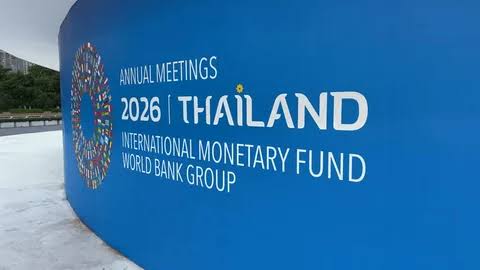
As the 2026 Annual Meetings continue in Bangkok, attention will remain on the policy choices available to governments and international institutions as they respond to global economic pressures and pursue more inclusive and sustainable development.
Mediaplusng.com — Reporting the stories that matter.