ECOWAS, Sahel Nations Restart Dialogue
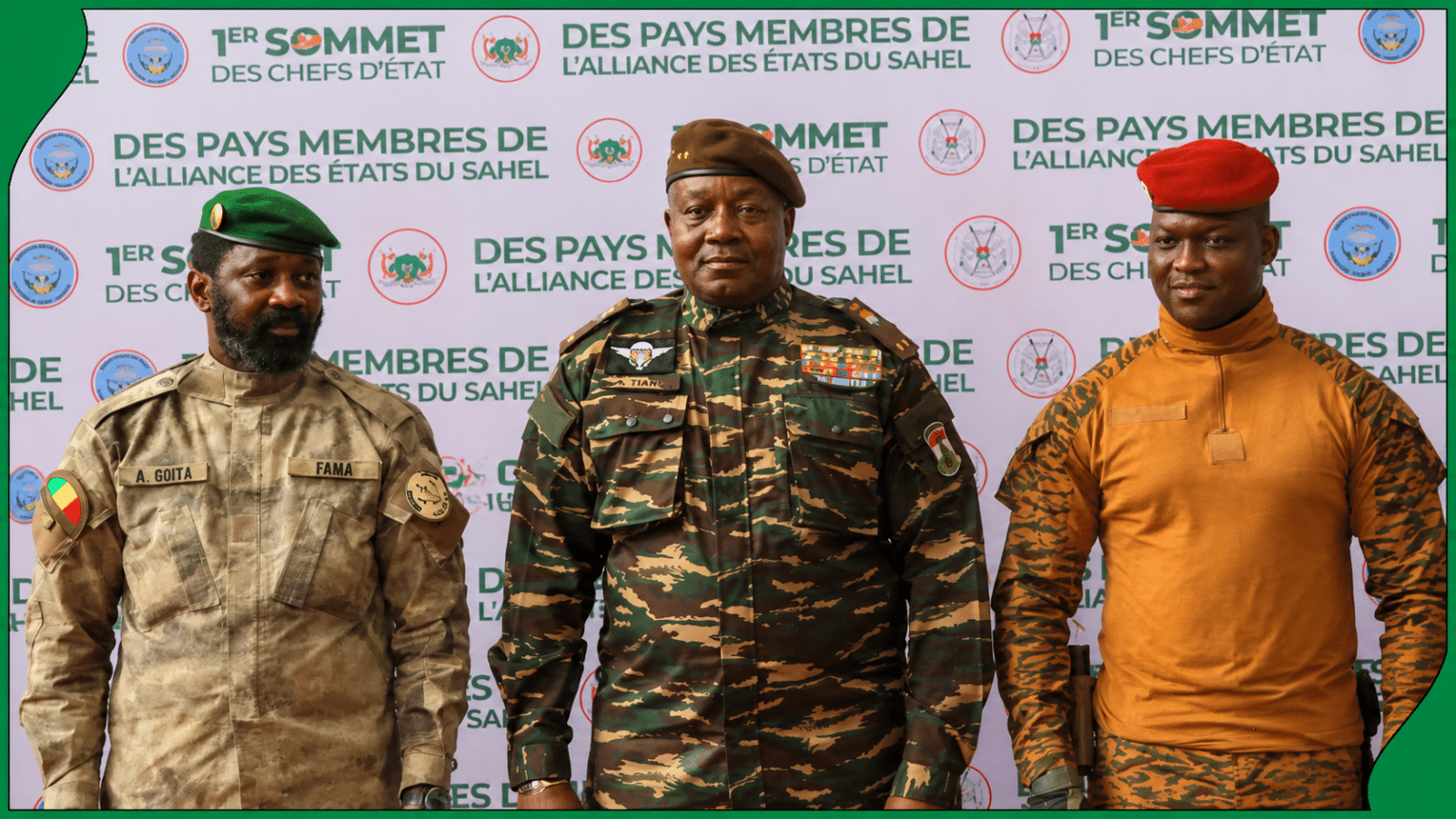
Burkina Faso, Niger and Mali have resumed formal discussions with the Economic Community of West African States, ECOWAS, in a significant move towards rebuilding regional cooperation following their withdrawal from the bloc.
The discussions, held in Dakar, Senegal, brought together representatives of ECOWAS and the Alliance of Sahel States, known as AES, which comprises the three military-led countries.
Both sides have agreed to establish joint thematic working groups to develop a framework for future cooperation, despite differences that led to the countries’ departure from the regional organisation.
Mediaplusng.com reports that Burkina Faso, Niger and Mali officially withdrew from ECOWAS in January 2025 after prolonged disagreements with the regional bloc and the formation of the Alliance of Sahel States.
The meeting is considered a significant step because it represents a formal ministerial-level engagement between the two sides since the withdrawal, although discussions had reportedly continued behind the scenes.
Burkina Faso’s Foreign Minister, Karamoko Traore, led the AES delegation, while Senegal’s Foreign Minister, Cheikh Niang, headed the ECOWAS team.
In a joint statement issued after the meeting, both parties welcomed the discussions and identified fraternity, mutual respect and openness as guiding principles for future engagement.
They also emphasised the importance of good neighbourly relations and respect for national sovereignty, signalling a willingness to explore practical areas of cooperation despite their political differences.
The renewed dialogue comes at a time when West Africa faces serious security challenges, particularly in the Sahel, where armed groups continue to threaten civilians, security forces and government institutions.
Mali, Burkina Faso and Niger have battled jihadist insurgencies for more than a decade. Groups affiliated with al-Qaeda and the Islamic State have exploited weak state presence, porous borders and local grievances to expand their operations.
In Mali, coordinated attacks on April 25 targeted several locations. The attacks involved Jama’at Nusrat al-Islam wal-Muslimin, an al-Qaeda-linked group, and the Azawad Liberation Front, a separatist movement.
Mali’s Defence Minister, Sadio Camara, was killed during the attacks, underscoring the continuing security pressures facing the country.
Burkina Faso and Niger have also experienced sustained attacks on security forces and civilians, while the spread of violence towards coastal countries has heightened concerns across the region.
Northern Benin and Togo have faced growing threats from armed groups operating near their borders.
Nigeria is also confronting multiple security challenges, including attacks by Boko Haram and the Islamic State West Africa Province, as well as banditry and mass kidnappings.
Against this background, the relationship between ECOWAS and the AES countries carries important implications for intelligence-sharing, border security and coordinated counterterrorism operations.
Niger’s withdrawal from the Multinational Joint Task Force in March 2025 further highlighted the difficulties facing regional security cooperation.
The AES countries have pursued a more independent political and security strategy, distancing themselves from France and strengthening ties with Russia.
Their withdrawal from ECOWAS has therefore created new challenges for a region where insecurity frequently crosses national boundaries.
The latest discussions offer an opportunity to explore cooperation without necessarily reversing the countries’ withdrawal or setting aside their differences over sovereignty and regional governance.
The next stage will involve the proposed joint working groups developing a framework that identifies practical areas of collaboration and mechanisms for continued engagement.
Whether the renewed dialogue produces concrete results will depend on the willingness of both sides to translate their commitments into sustained cooperation.
For West Africa, the stakes remain significant. Stronger communication and coordination could help address cross-border security threats, support peaceful relations and reduce the risks posed by armed groups operating across the region.