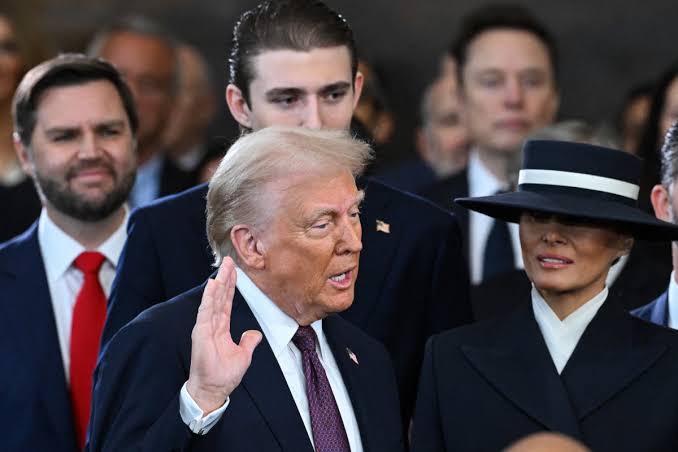
United States President Donald Trump has imposed sanctions on the International.
Criminal Court, escalating Washington’s confrontation with the international judicial body over its investigations and prosecutions involving American citizens.
US Secretary of State Marco Rubio announces the measures, accusing the court of targeting Americans and describing it as a rogue institution.
Rubio says the Trump administration intends to restrict transactions with the ICC, cut off its resources and limit its ability to operate.
The sanctions reflect Washington’s longstanding opposition to the court’s authority over Americans, particularly following its investigations into alleged crimes committed by US military personnel in Afghanistan.
The dispute also centres on the ICC’s arrest warrants against Israeli officials, including Prime Minister Benjamin Netanyahu, over alleged crimes in the Palestinian territories.
Mediaplusng.com reports that the sanctions raise concerns about the ability of an international court to carry out its work without political or economic pressure from powerful countries.
The ICC’s Deputy Prosecutor, Nazhat Shameem Khan, condemns the American action, arguing that it threatens the rule of law and the independence of an international judicial institution.
Khan says the sanctions will not stop the court from carrying out its responsibilities, including investigations and prosecutions across the situations under its consideration.
Established in 2002, the International Criminal Court prosecutes individuals accused of genocide, war crimes, crimes against humanity and, under certain conditions, the crime of aggression.
The court is headquartered in The Hague, Netherlands, and has 125 member states. The United States is not a party to the Rome Statute, the treaty that establishes the ICC.
However, the latest sanctions could have consequences beyond the court’s officials.
Unlike measures directed at specific individuals, sanctions targeting the institution itself could affect companies that provide it with essential services, including banking, insurance and software.
US sanctions generally restrict American individuals and businesses from conducting certain transactions with designated entities.
In response to potential disruptions, the US Treasury issues four general licences permitting specified transactions involving the ICC’s telecommunications, software, pension payments and detainees.
The licences provide exemptions for certain activities despite the wider restrictions.
Mediaplusng.com reports that the ICC has also reportedly been preparing for possible sanctions by exploring alternatives to Microsoft software and making arrangements for banking and health insurance services.
Rubio says Washington previously delayed the measures in the hope that the court and its member states would address American concerns.
He warns that the United States expects its allies, including countries that belong to the ICC, to help rein in what Washington considers excessive judicial authority.
The sanctions are therefore likely to test relations between the United States and European allies, many of which support the court and its role in international justice.
The announcement also comes amid renewed international debate over the protection of independent legal institutions from political pressure.
The Nobel Peace Prize announcement involving South African jurist Navi Pillay, a former judge of the ICC Appeals Chamber, adds to the focus on international law and judicial independence.
As the dispute intensifies, the central question is whether Washington and the court’s supporters can resolve their differences without undermining the ICC’s ability to investigate serious international crimes.
For now, the Trump administration maintains that the sanctions are necessary to protect Americans from prosecution by a court it does not recognise as having authority over them, while the ICC insists it will continue its work.
The confrontation sets the stage for further diplomatic and legal tensions over accountability, national sovereignty and the future of international justice.